Rechercher dans ce blog

Monday, December 27, 2021

Climate change: Huge toll of extreme weather disasters in 2021 - BBC News

floods
Getty Images

Weather events, linked to a changing climate, brought misery to millions around the world in 2021 according to a new report.

The study, from the charity Christian Aid, identified 10 extreme events that each caused more than $1.5bn of damage.

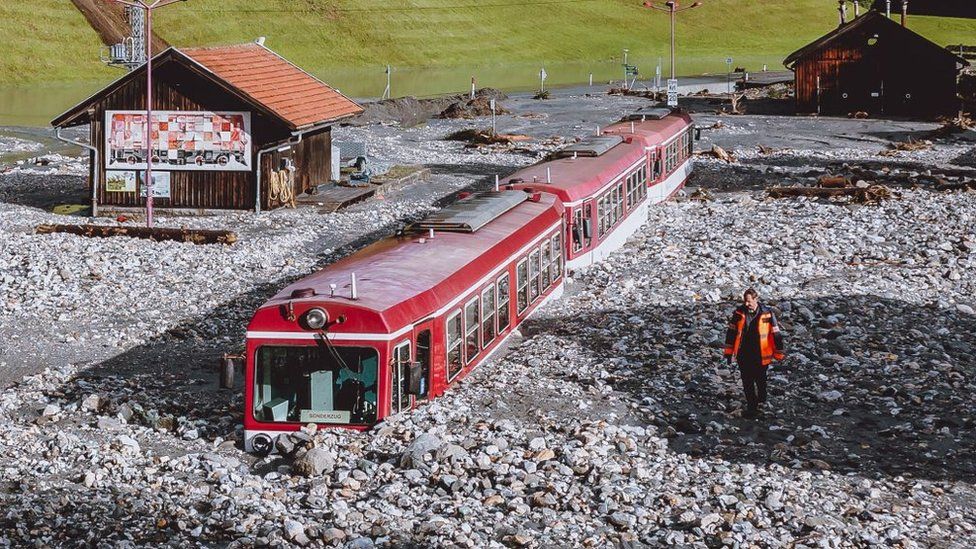
The biggest financial impacts were from Hurricane Ida which hit the US in August and flooding in Europe in July.

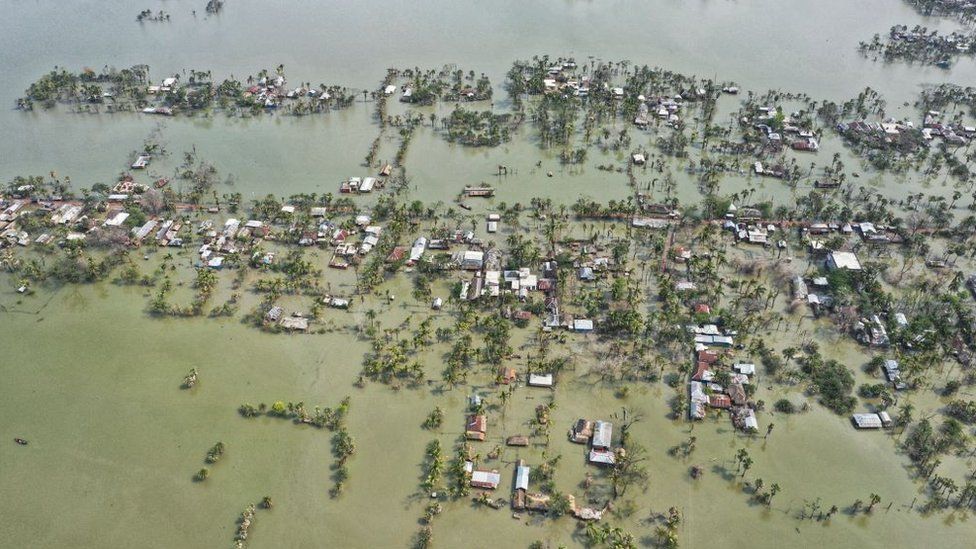
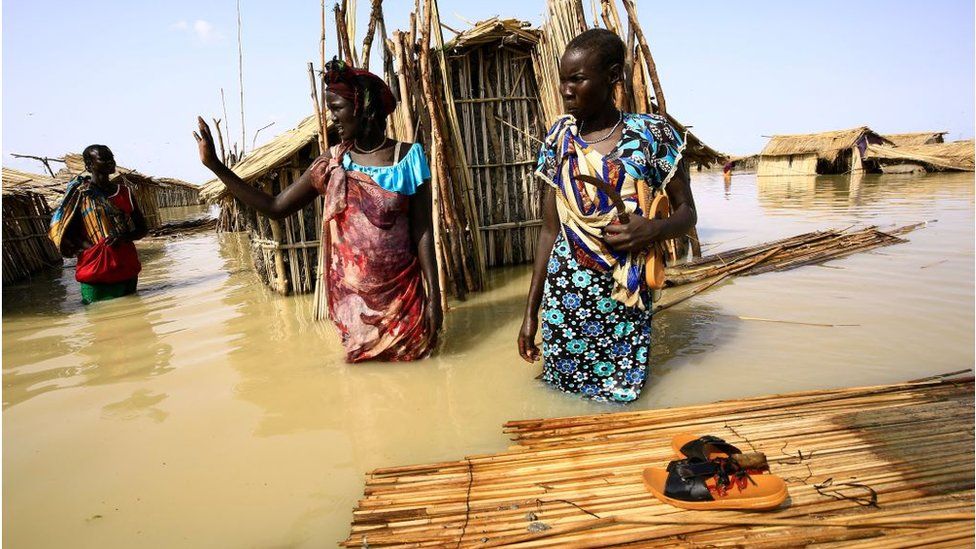
In many poorer regions, floods and storms caused mass displacements of people and severe suffering.

Not every extreme weather event is caused by or linked to climate change, although scientists have become bolder in exploring the connections.

One leading researcher, Dr Friederike Otto, tweeted earlier this year that every heatwave happening in the world now is "made more likely and more intense" by human induced climate change.

In relation to storms and hurricanes, there is growing evidence that climate change is also affecting these events.

In August, the Intergovernmental Panel on Climate Change (IPCC) published the first part of its sixth assessment report.
In relation to hurricanes and tropical cyclones, the authors said they had "high confidence" that the evidence of human influence has strengthened.

"The proportion of intense tropical cyclones, average peak tropical cyclone wind speeds, and peak wind speeds of the most intense tropical cyclones will increase on the global scale with increasing global warming," the study said.

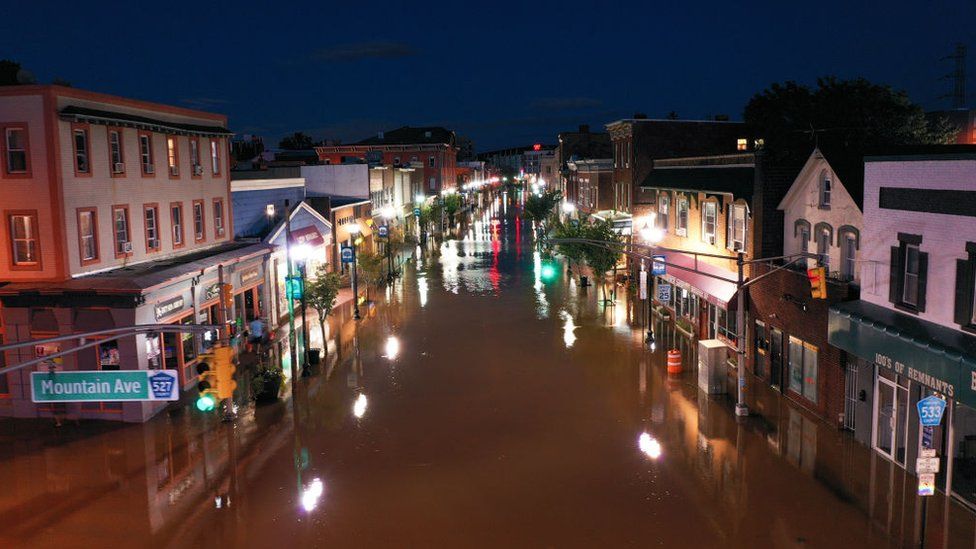
Just a few weeks after that report came out, Hurricane Ida hit the US.

floods
Getty Images

According to Christian Aid it was the most financially destructive weather event of the year.

The slow-moving hurricane saw thousands of residents in Louisiana evacuated out of its path.

That storm brought massive rainfall across a number of states and cities, with New York issuing a flash-flood emergency alert for the first time.

Around 95 people died, with the economic losses estimated at $65bn.

The speed and intensity of the water overwhelmed defences and 240 people lost their lives. Reported damages were around $43bn.

In the study, the majority of the weather events in the list occurred in developed countries.

train
Getty Images

That's because it is more feasible to estimate financial losses from insurance claims and these are usually available in richer countries, where people can afford to insure their homes and businesses.

According to insurance company Aon, 2021 is likely to be the fourth time in five years that global natural catastrophes have cost more than $100bn.

The report also documents many other events where the financial impact is harder to ascertain, but where the impact on people is significant.

Flooding in South Sudan displaced over 800,000 people while 200,000 had to move to escape Cyclone Tauktae which hit India, Sri Lanka and the Maldives in May.
"That's a huge human impact," said report author Dr Kat Kramer from Christian Aid.

"Obviously, losing your home, your livelihoods, and everything, and not having the resources to rebuild that is incredibly tough. Whereas at least if you have insurance, you have some mechanism for building that back."

The report highlights the need for increased efforts on curbing emissions of carbon dioxide to reduce future weather related impacts. It is also calling on global climate diplomats to put their money where their mouth is and help poorer countries that suffer huge economic losses.

In the COP26 global climate talks in Glasgow, this issue of finance for loss and damage caused by climate-related events saw major disagreement between countries. Developing nations wanted cash - the richer ones said we need more talks on the question.

floods
Getty Images

"Although it was good to see the issue of loss and damage become a major issue at COP26, it was bitterly disappointing to leave without a fund set up to actually help people who are suffering permanent losses from climate change,' said Nushrat Chowdhury, Christian Aid's climate justice adviser in Bangladesh.

"Bringing that fund to life needs to be a global priority in 2022."

The report can be found here.

Follow Matt on Twitter.

Adblock test (Why?)


World - Latest - Google News
December 27, 2021 at 11:09AM
https://ift.tt/3Ey8oOx

Climate change: Huge toll of extreme weather disasters in 2021 - BBC News
World - Latest - Google News
https://ift.tt/2SeTG7d

Sunday, December 26, 2021

Desmond Tutu, Whose Voice Helped Slay Apartheid, Dies at 90 - The New York Times

The archbishop, a powerful force for nonviolence in South Africa’s anti-apartheid movement, was awarded the Nobel Peace Prize in 1984.

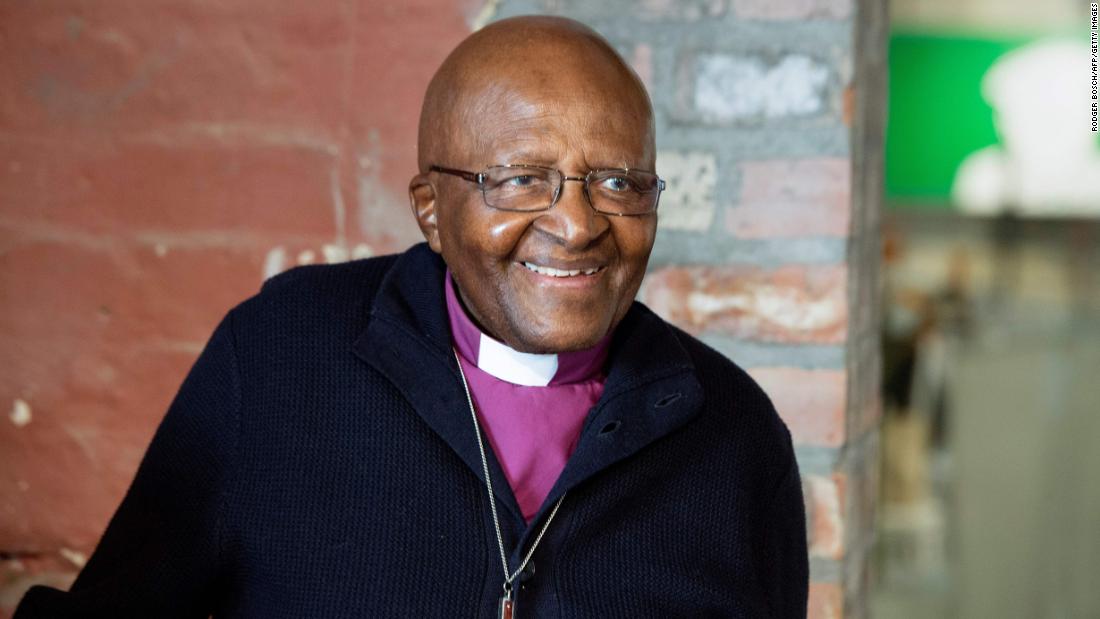
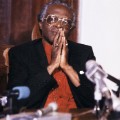
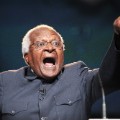
Desmond M. Tutu, the cleric who used his pulpit and spirited oratory to help bring down apartheid in South Africa and then became the leading advocate of peaceful reconciliation under Black majority rule, died on Sunday in Cape Town. He was 90.

His death was confirmed by the office of South Africa’s president, Cyril Ramaphosa, who called the archbishop “a leader of principle and pragmatism who gave meaning to the biblical insight that faith without works is dead.”

The cause of death was cancer, the Desmond and Leah Tutu Legacy Foundation said, adding that Archbishop Tutu had died in a care facility. He was first diagnosed with prostate cancer in 1997, and was hospitalized several times in the years since, amid recurring fears that the disease had spread.

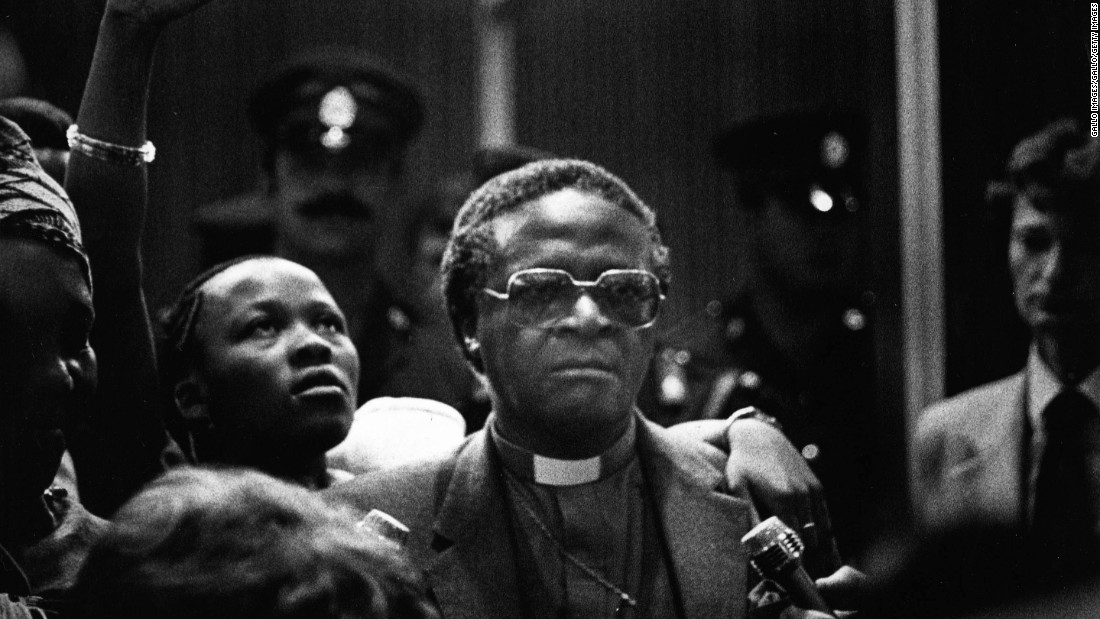
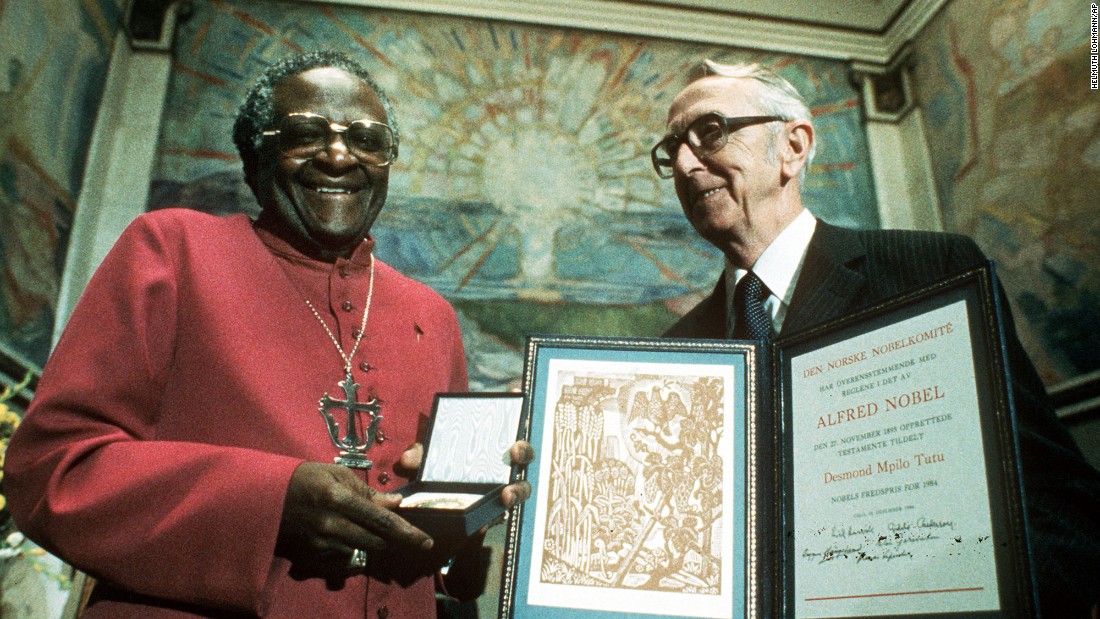
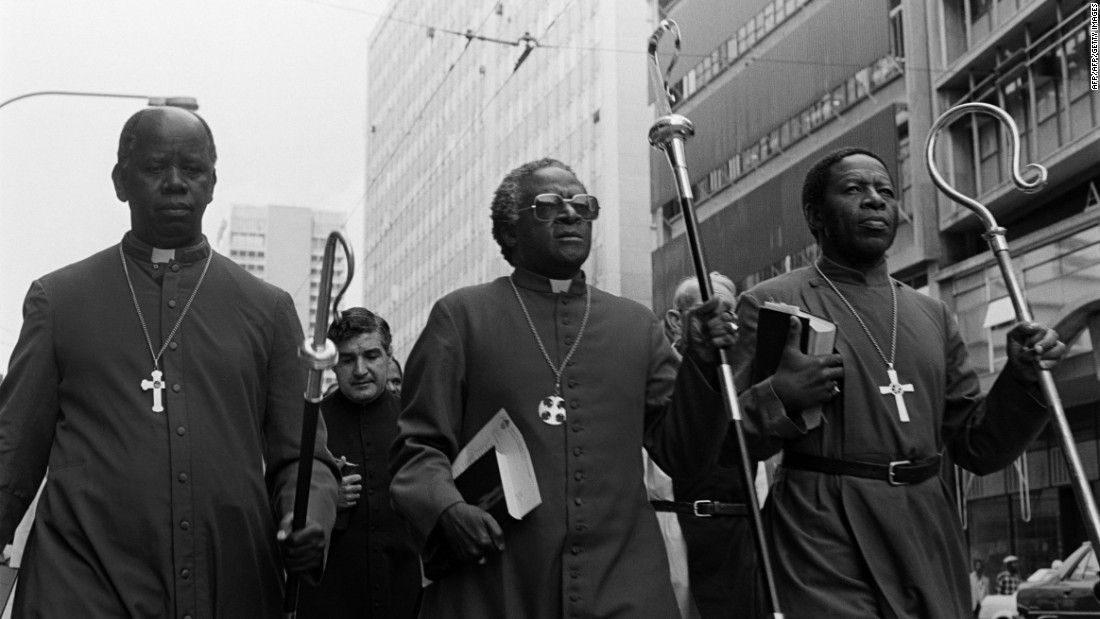
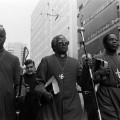
As leader of the South African Council of Churches and later as Anglican archbishop of Cape Town, Archbishop Tutu led the church to the forefront of Black South Africans’ decades-long struggle for freedom. His voice was a powerful force for nonviolence in the anti-apartheid movement, earning him a Nobel Peace Prize in 1984.

When that movement triumphed in the early 1990s, he prodded the country toward a new relationship between its white and Black citizens, and, as chairman of the Truth and Reconciliation Commission, he gathered testimony documenting the viciousness of apartheid.

“You are overwhelmed by the extent of evil,” he said. But, he added, it was necessary to open the wound to cleanse it. In return for an honest accounting of past crimes, the committee offered amnesty, establishing what Archbishop Tutu called the principle of restorative — rather than retributive — justice.
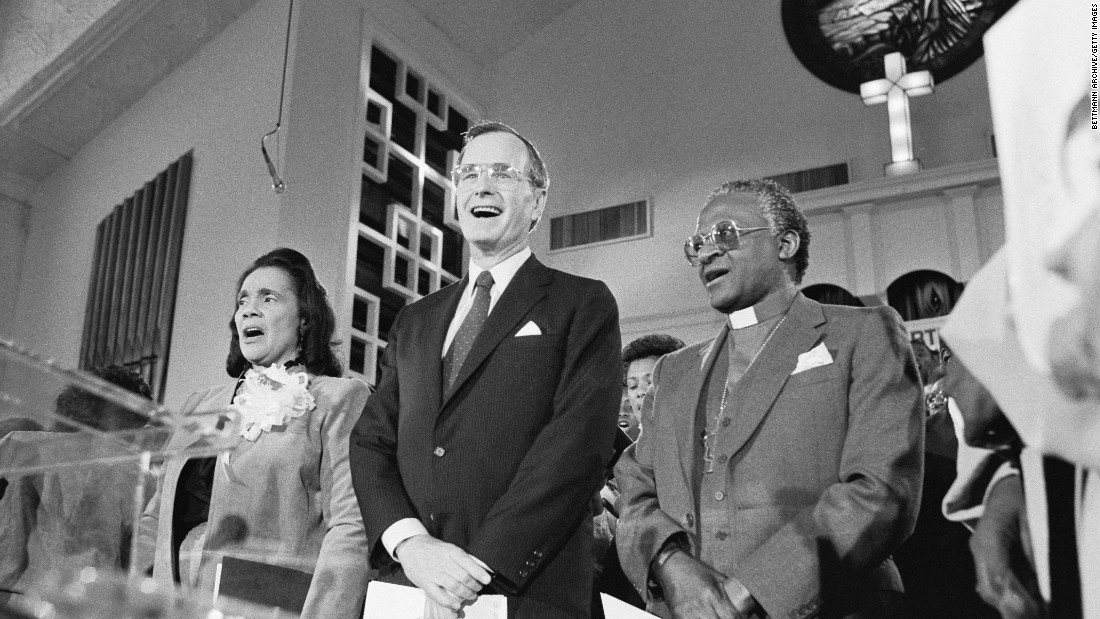
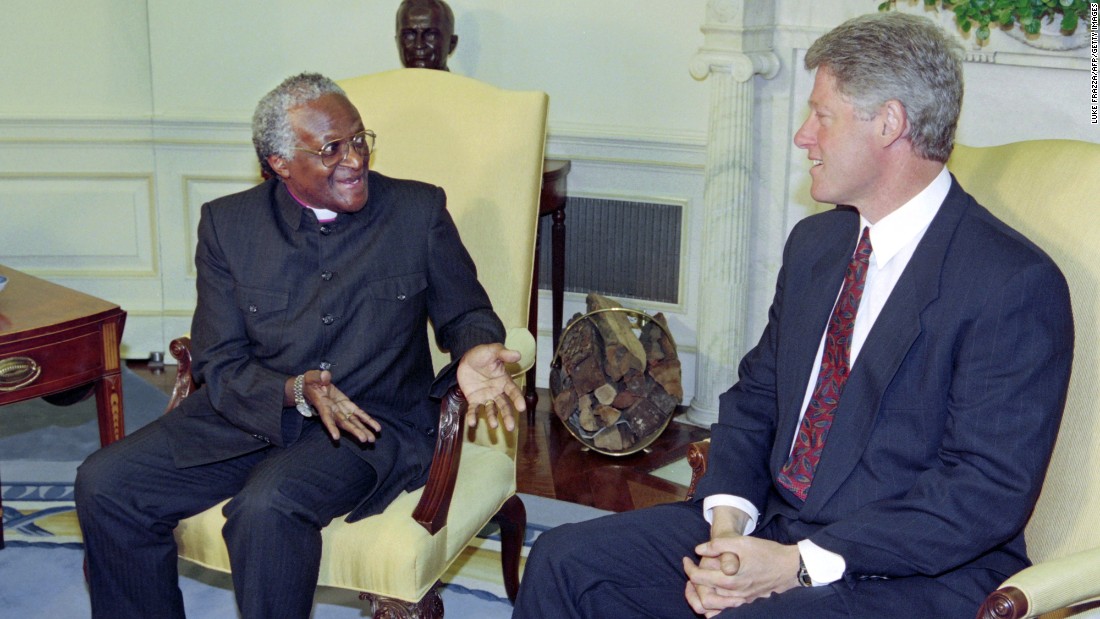
His credibility was crucial to the commission’s efforts to get former members of the South African security forces and former guerrilla fighters to cooperate with the inquiry.

Archbishop Tutu preached that the policy of apartheid was as dehumanizing to the oppressors as it was to the oppressed. At home, he stood against looming violence and sought to bridge the chasm between Black and white; abroad, he urged economic sanctions against the South African government to force a change of policy.

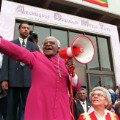
Steve Hilton Barber/Associated Press

But as much as he had inveighed against the apartheid-era leadership, he displayed equal disapproval of leading figures in the dominant African National Congress, which came to power under Nelson Mandela in the first fully democratic elections in 1994.

In 2004, the archbishop accused President Thabo Mbeki, Mr. Mandela’s successor, of pursuing policies that enriched a tiny elite while “many, too many, of our people live in grueling, demeaning, dehumanizing poverty.”

“We are sitting on a powder keg,” he said.

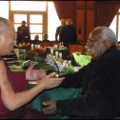
Although he and Mr. Mbeki later reconciled — they were photographed together in 2015 as Mr. Mbeki, by then the former president, visited Archbishop Tutu in a hospital — the archbishop remained unhappy about the state of affairs in his country under its next president, Jacob G. Zuma, who had denied Mr. Mbeki another term despite being embroiled in scandal.

“I think we are at a bad place in South Africa,” Archbishop Tutu told The New York Times Magazine in 2010, “and especially when you contrast it with the Mandela era. Many of the things that we dreamed were possible seem to be getting more and more out of reach. We have the most unequal society in the world.”

Then, in 2011, as critics accused the A.N.C. of corruption and mismanagement, Archbishop Tutu again assailed the government, this time in terms that would have once been unimaginable. “This government, our government, is worse than the apartheid government,” he said, “because at least you were expecting it with the apartheid government.”

He added: “Mr. Zuma, you and your government don’t represent me. You represent your own interests. I am warning you out of love, one day we will start praying for the defeat of the A.N.C. government. You are disgraceful.”

Per-Anders Pettersson/Corbis

His words seemed prophetic when, in 2016, an alliance of religious leaders in South Africa joined other critics in urging Mr. Zuma to quit. In early 2018, Mr. Zuma was ousted after a power struggle with his deputy, Mr. Ramaphosa, who took over the presidency in February of that year.

By then, Archbishop Tutu had largely stopped giving interviews because of failing health and rarely appeared in public. But a few months after Mr. Ramaphosa was sworn in as the new president with the promise of a “new dawn” for the nation, the archbishop welcomed him at his home.

“Know that we pray regularly for you and your colleagues that this must not be a false dawn,” Archbishop Tutu warned Mr. Ramaphosa.

At that time, support for the African National Congress had declined, even though it remained the country’s biggest political party. In elections in 2016, while still under the leadership of Mr. Zuma, the party’s share of the vote slipped to its lowest level since the end of apartheid. Mr. Ramaphosa struggled to reverse that trend, but earned some praise later for his robust handling of the coronavirus crisis.

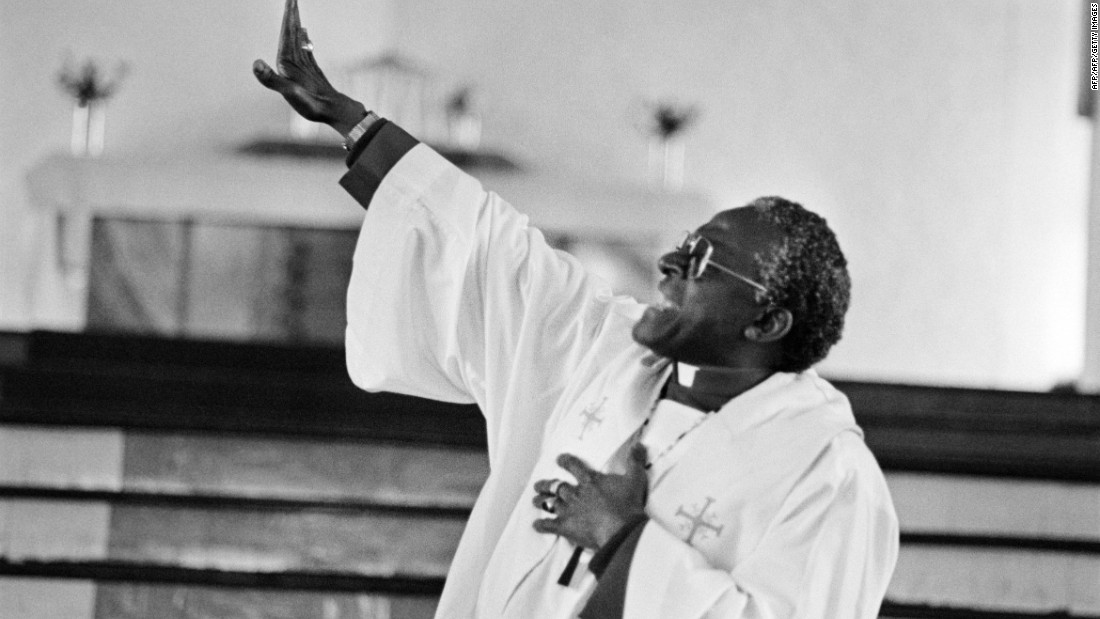
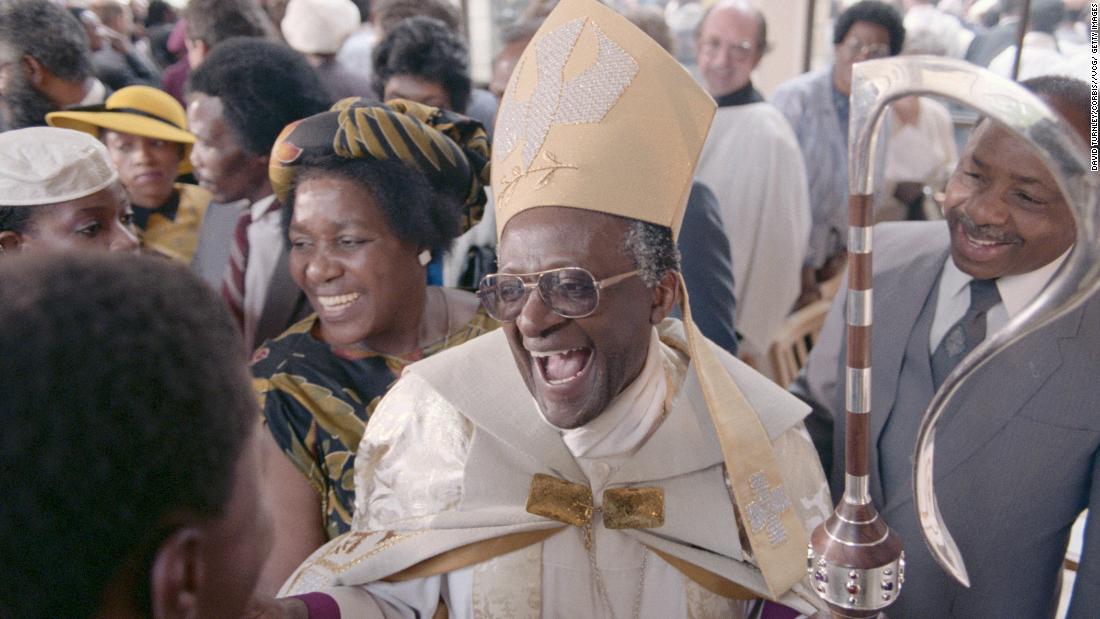
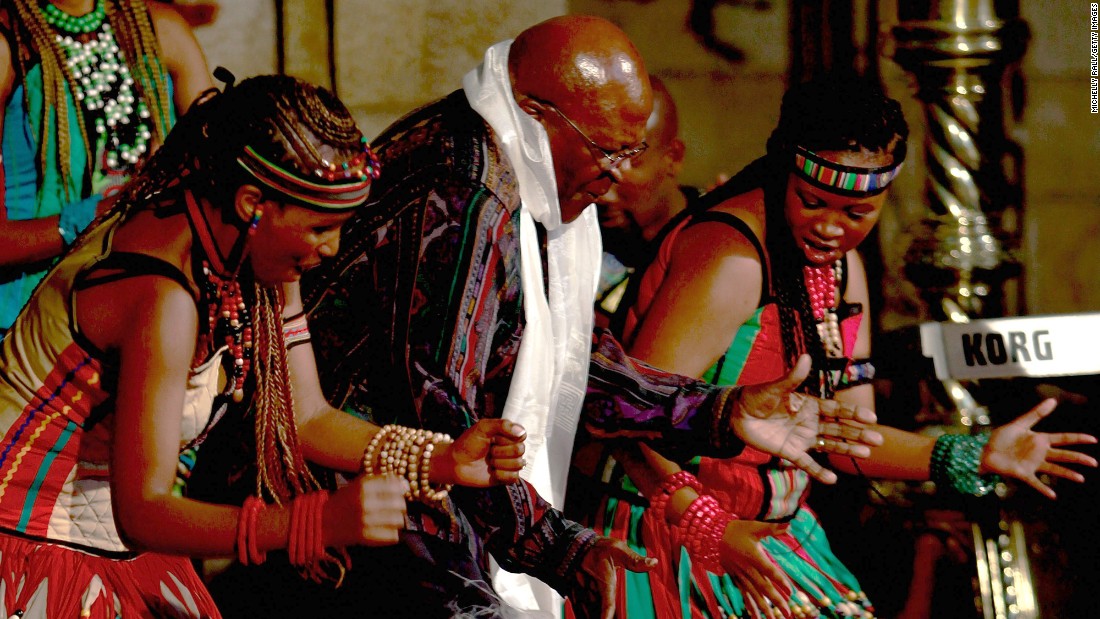
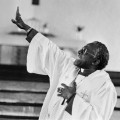
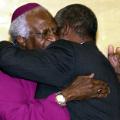
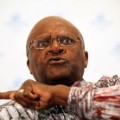
For much of his life, Archbishop Tutu was a spellbinding preacher, his voice by turns sonorous and high-pitched. He often descended from the pulpit to embrace his parishioners. Occasionally he would break into a pixielike dance in the aisles, punctuating his message with the wit and the chuckling that became his hallmark, inviting his audience into a jubilant bond of fellowship. While assuring his parishioners of God’s love, he exhorted them to follow the path of nonviolence in their struggle.

Politics were inherent in his religious teachings. “We had the land, and they had the Bible,” he said in one of his parables. “Then they said, ‘Let us pray,’ and we closed our eyes. When we opened them again, they had the land and we had the Bible. Maybe we got the better end of the deal.”

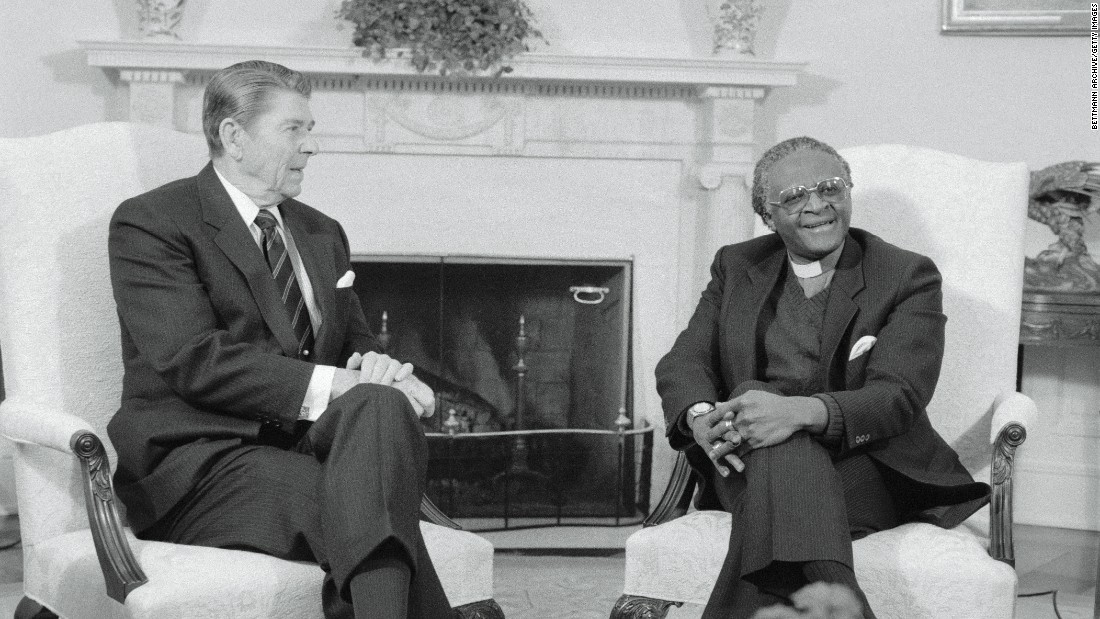
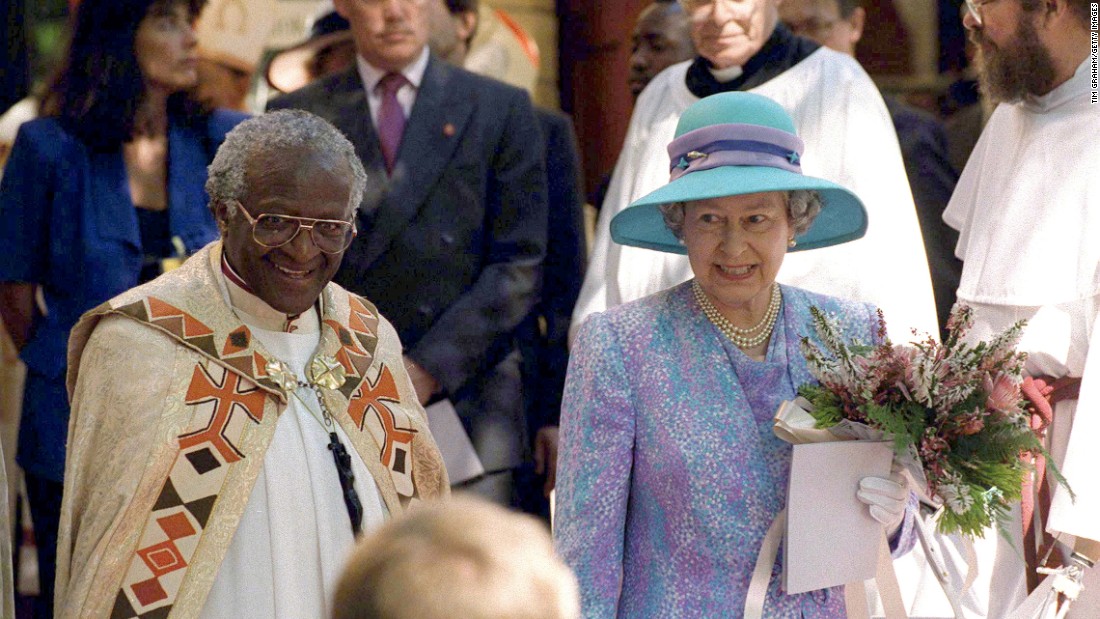
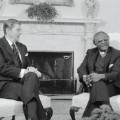
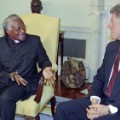
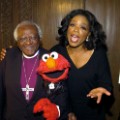
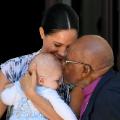
His moral leadership, combined with his winning effervescence, made him something of a global celebrity. He was photographed at glittering social functions, appeared in documentaries and chatted with talk-show hosts. Even in late 2015, when his health seemed poor, he met with Prince Harry of Britain, who presented him with an honor on behalf of Queen Elizabeth II.

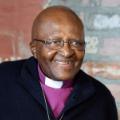
A compact, restless man — for many years he kept fit by jogging at 4:30 every morning — Archbishop Tutu had piercing eyes that were barely concealed by rimless glasses. When he traveled abroad, he cut a handsome figure in his well-tailored gray suit over a magenta shirt with a white clerical collar.

Chester Higgins, Jr./The New York Times

Apparently convinced of the virtues of modesty, he never seemed to accustom himself to the perquisites of fame and high office. He was unfailingly on time, always expressed appreciation to the bellhops and maids sent to wait on him, and was uncomfortable with limousines and police escorts.

“You know, back home, when you hear a police siren, you figure that they are coming to get you,” he once told a reporter from The Washington Post. “It still makes me a bit nervous riding with them.”

Although Archbishop Tutu, like other Black South Africans of his era, had suffered through the horrors and indignities of apartheid, he did not allow himself to hate his enemies. When he was young, he said, he was fortunate in the white priests that he knew, and throughout the long struggle against apartheid he remained an optimist. “Justice, goodness, love, compassion must prevail,” he said during a visit to New York in 1990. “Freedom is breaking out. Freedom is coming.”

He coined the phrase “rainbow nation” to describe the new South Africa emerging into democracy, and called for vigorous debate among all races.

Archbishop Tutu had always said that he was a priest, not a politician, and that when the real leaders of the movement against apartheid returned from jail or exile he would serve as its chaplain. While he acknowledged that there was a political role for the church, he prohibited ordained clergy from belonging to any political party.

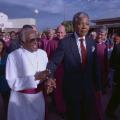
In 1989, after President F.W. de Klerk had at last started to dismantle apartheid, Archbishop Tutu stepped aside, handing the leadership of the struggle back to Mr. Mandela on his release from prison in 1990.

But Archbishop Tutu did not stay entirely out of the nation’s business. “We’ve struggled to get these guys where they are, and we’re not going to let them fail,” he said. “We didn’t swallow all that tear gas, and be chased around and be sent to jail and into exile and killed, for failure.”

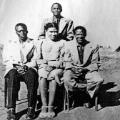
Desmond Mpilo Tutu was born on Oct. 7, 1931, in Klerksdorp, on the Witwatersrand in what is now the North West Province of South Africa. His mother, Aletha, was a domestic worker; his father, Zachariah, taught at a Methodist school. The young Desmond was baptized a Methodist, but the entire family later joined the Anglican Church. When he was 12 the family moved to Johannesburg, where his mother found work as a cook in a school for the blind.

While he never forgot his father’s shame when a white policeman called him “boy” in front of his son, he was even more deeply affected when a white man in a priest’s robe tipped his hat to his mother, he said.

The white man was the Rev. Trevor Huddleston, a prominent campaigner against apartheid. When Desmond was hospitalized with tuberculosis, Father Huddleston visited him almost every day. “This little boy very well could have died,” Father Huddleston told an interviewer many years later, “but he didn’t give up, and he never lost his glorious sense of humor.”

After his recovery, Desmond wanted to become a doctor, but his family could not afford the school fees. Instead he became a teacher, studying at the Pretoria Bantu Normal College and earning a bachelor’s degree from the University of South Africa. He taught high school for three years but resigned to protest the Bantu Education Act, which lowered education standards for Black students.

Don Hogan Charles/The New York Times

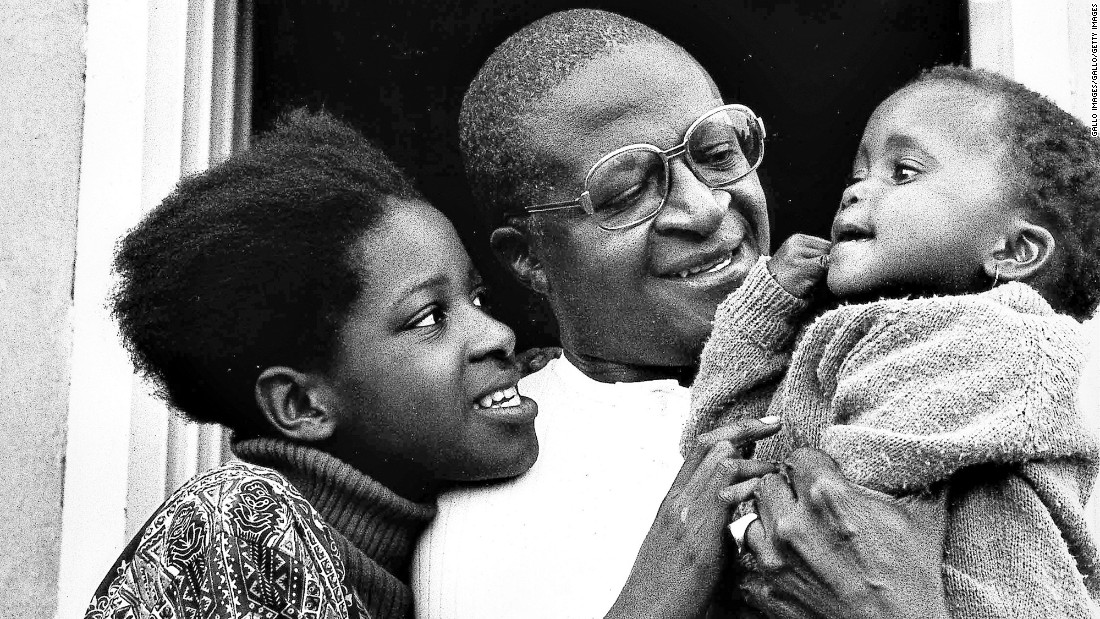
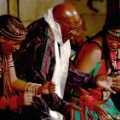
By then he was married to Nomalizo Leah Shenxane, a major influence in his life; the couple celebrated 60 years of marriage by publicly renewing their wedding vows in July 2015. She survives him, as do their four children: a son, Trevor Thamsanqa Tutu, and three daughters, Theresa Thandeka Tutu, Naomi Nontombi Tutu and Mpho Tutu van Furth, as well as seven grandchildren.

Archbishop Tutu turned to the ministry, he said, because he thought it could provide “a likely means of service.” He studied at St. Peter’s Theological College in Johannesburg and was ordained an Anglican priest at St. Mary’s Cathedral in December 1961, less than two years after protests convulsed the town of Sharpeville, 40 miles from Johannesburg.

After serving in local churches, he studied in England, where he earned a bachelor of divinity degree and a master’s in theology from King’s College in London. When he returned to South Africa he was a lecturer, and from 1972 to 1975 he served as associate director of the Theological Education Fund, traveling widely in Asia and Africa and administering scholarships for the World Council of Churches.

Rex Feature, via Associated Press

He was named Anglican dean of Johannesburg in 1975 and consecrated bishop of Lesotho the next year. In 1978 he became the first Black general secretary of the South African Council of Churches, and began to establish the organization as a major force in the movement against apartheid.

Under Bishop Tutu’s leadership, the council established scholarships for Black youths and organized self-help programs in Black townships. There were also more controversial programs: Lawyers were hired to represent Black defendants on trial under the security laws, and support was provided for the families of those detained without trial.

As bishop, he spoke out against the establishment of tribal “homelands” and used the council as a platform from which to urge foreign investors to pull out of South Africa.

A month after he was awarded the Nobel Peace Prize in 1984, Desmond Tutu became the first Anglican bishop of Johannesburg when the national church hierarchy intervened to break a deadlock between Black and white electors. He was named archbishop of Cape Town in 1986, becoming spiritual head of the country’s 1.5 million Anglicans, 80 percent of whom were Black.

On his frequent trips abroad during the apartheid era, Archbishop Tutu never stopped pressing the case for sanctions against South Africa. The government struck back and twice revoked his passport, forcing him to travel with a document that described his citizenship as “undetermined.”

But as the author of a 1999 book titled “No Future Without Forgiveness,” he was generous in forgiving his enemies, and when the de Klerk government took steps in 1989 toward ending apartheid, Archbishop Tutu was among the first to welcome the prospect of change.

“An extraordinary thing has happened in South Africa,” he said in 1990,“and it is undoubtedly due to the courage of President de Klerk. We’ve got someone here who is greater than we expected. At some points we had to pinch ourselves to be sure we were seeing what we were seeing.”

Still, when the Truth and Reconciliation Commission issued its final findings in 2003, Archbishop Tutu’s imprint was plain. It warned the government against issuing a blanket amnesty to perpetrators of the crimes of apartheid and urged businesses to join with the government in delivering reparations to the millions of Black people victimized by the former white minority government.

The report further said that Mr. de Klerk had knowingly withheld information from the commission about state-sponsored violations, and it reiterated charges against the Zulu-based Inkatha Freedom Party, South Africa’s second-largest Black party, accusing it of having collaborated with white supremacists in the massacre of hundreds of people in the early 1990s.

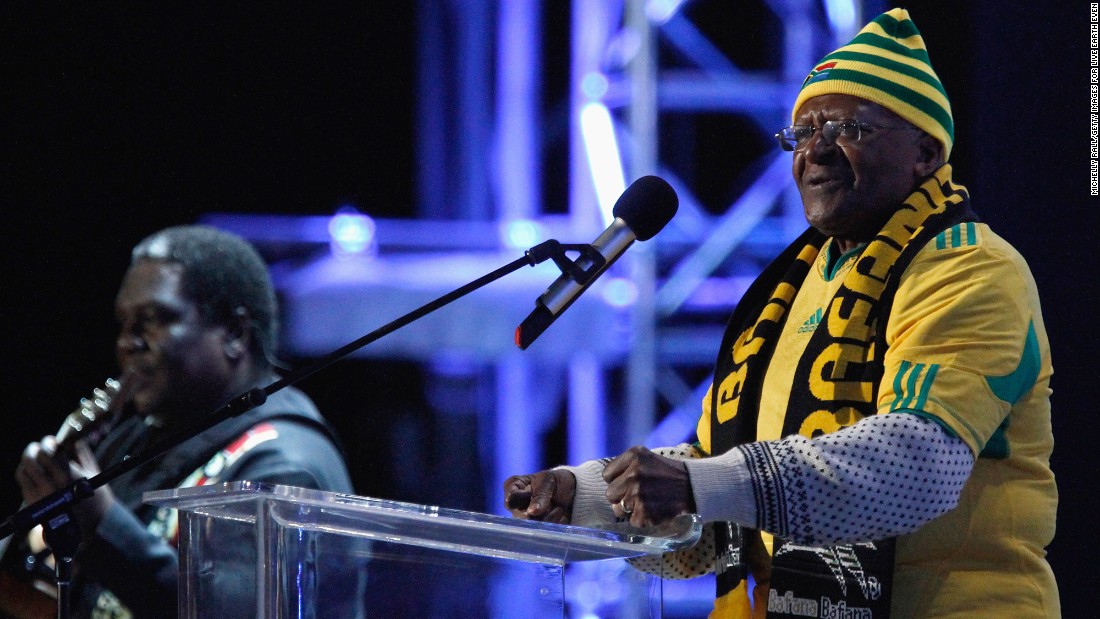
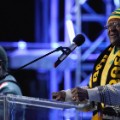
Archbishop Tutu officially retired from public duties in 2010. One of his last major appearances came that year, when South Africa hosted the World Cup.

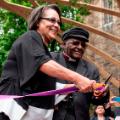
But he did not retreat from the public eye entirely. In June 2011, he joined Michelle Obama at the new Cape Town Stadium, built for the tournament, where she was promoting physical fitness during a tour of southern Africa.

Jewel Samad/Agence France-Presse — Getty Images.

Inside the stadium, Ms. Obama got down on the floor to perform a few push-ups, and Archbishop Tutu, seeming keen to join in, dropped to the floor and did the same. Rising to their feet, a bit winded, they congratulated each other with a fist bump.

Archbishop Tutu continued to make occasional forays into the limelight, even as he grew more infirm.

In 2021, as he approached his 90th birthday, he pitched into a fraught debate as disinformation about coronavirus vaccines swirled.

“There is nothing to fear,” he said. “Don’t let Covid-19 continue to ravage our country, or our world. Vaccinate.”

Alan Cowell and Lynsey Chutel contributed reporting.

Adblock test (Why?)


World - Latest - Google News
December 26, 2021 at 07:04PM
https://ift.tt/3JtZtl0

Desmond Tutu, Whose Voice Helped Slay Apartheid, Dies at 90 - The New York Times
World - Latest - Google News
https://ift.tt/2SeTG7d

More than 30 reported killed, Save the Children staff missing, in Myanmar attack - East Idaho News

(CNN) — At least 30 people, including women and children, were killed in the eastern Myanmar state of Kayah on Friday, according to the Karenni Human Rights Group, with two members of the international humanitarian group Save the Children still missing.

The “charred remains” were discovered and identified close to Hpruso Township in the state, which is also known as Karenni, on December 25, according to the group.

Myanmar’s National Unity Government (NUG) called it a “Christmas massacre in Karenni state,” stating that junta troops “detained an unconfirmed number of [villagers] and travelers and destroyed their properties.”

“As the world celebrates Christmas and its message of peace, the NUG repeats its demands on the international community to act immediately and decisively to end the military junta’s escalating war crimes and crimes against humanity against the Myanmar people,” the NUG statement added.

The Myanmar military, which seized power of the country in a February 1 coup, said it had shot and killed an unspecified number of “terrorists with weapons” from the opposition armed forces in the village, according to state media. The people were in seven vehicles and did not stop for the military, it said.

The military has not responded to CNN’s request for comment.

The Karenni National Defense Force, one of the largest of several civilian militias, told Reuters the dead were not their members but civilians seeking refuge from the conflict.

The international NGO Save the Children said two staff members who were traveling home for the holidays were caught in the incident and remain missing.

“We have confirmation that their private vehicle was attacked and burned out,” said the organization in a statement. “The military reportedly forced people from their cars, arrested some, killed others and burned their bodies.”

Save the Children added that at least 38 people were killed in the attack, and the charity has suspended its operations in Kayah, Chin, and parts of Magway and Kayin in response.

“Save the Children condemns this attack as a breach of International Humanitarian Law. We are horrified at the violence carried out against innocent civilians and our staff, who are dedicated humanitarians, supporting millions of children in need across Myanmar,” said Inger Ashing, Chief Executive of Save the Children in a statement. “Investigations into the nature of the incident are continuing but attacks against aid workers cannot be tolerated.”

CNN is reaching out for more information regarding the attack.

Myanmar has been in turmoil since the military overthrew the previous elected government and detained many top officials — including ousted civilian leader Aung San Suu Kyi, who was jailed earlier this month.

Since the coup, the military has tried to assert its power over the people through bloody force.

UN agencies, rights groups and local journalists have documented massacres, mass arrests, torture, forced displacement, men, women and children being murdered with impunity, heavy weaponry used by junta forces to attack villages and root out armed resistance groups, and the blocking of humanitarian aid.

Junta forces have killed more than 1,300 people and arrested over 11,000, according to advocacy group Assistance Association for Political Prisoners.

The military has dismissed the AAPP’s data, which has been cited by the United Nations and accuses it of bias.

The-CNN-Wire
™ & © 2021 Cable News Network, Inc., a WarnerMedia Company. All rights reserved.

Adblock test (Why?)


World - Latest - Google News
December 26, 2021 at 10:03AM
https://ift.tt/3pr6H0Y

More than 30 reported killed, Save the Children staff missing, in Myanmar attack - East Idaho News
World - Latest - Google News
https://ift.tt/2SeTG7d

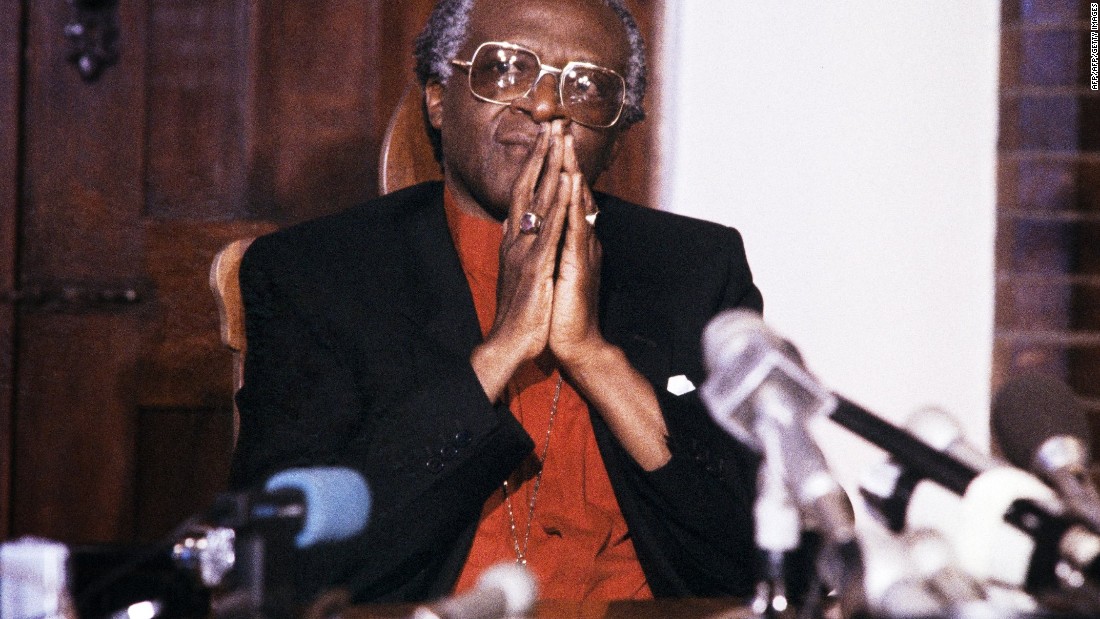
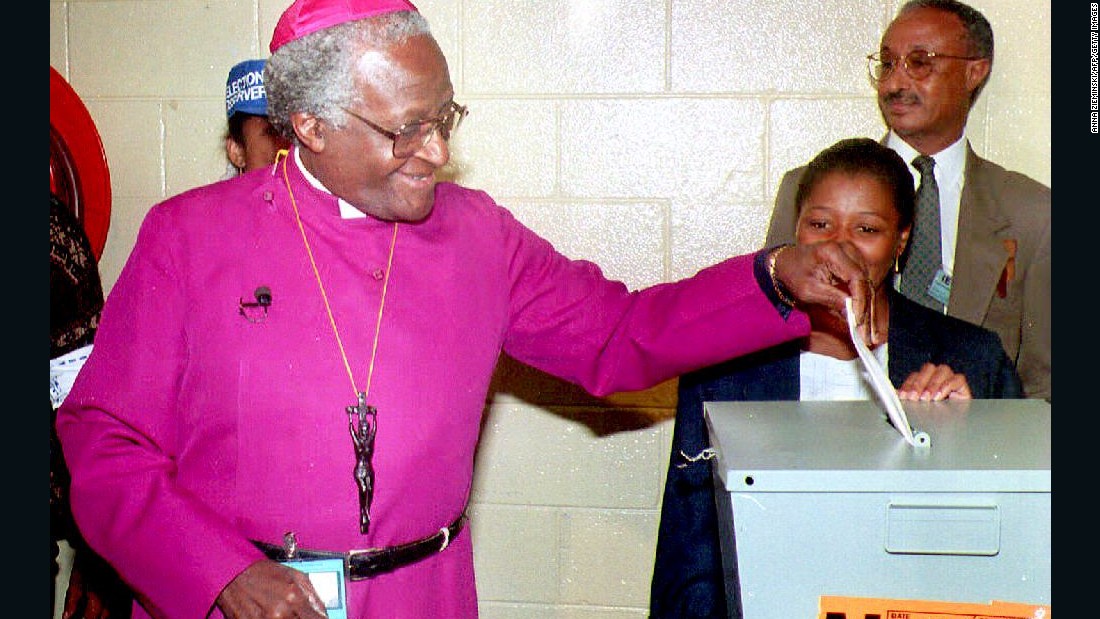
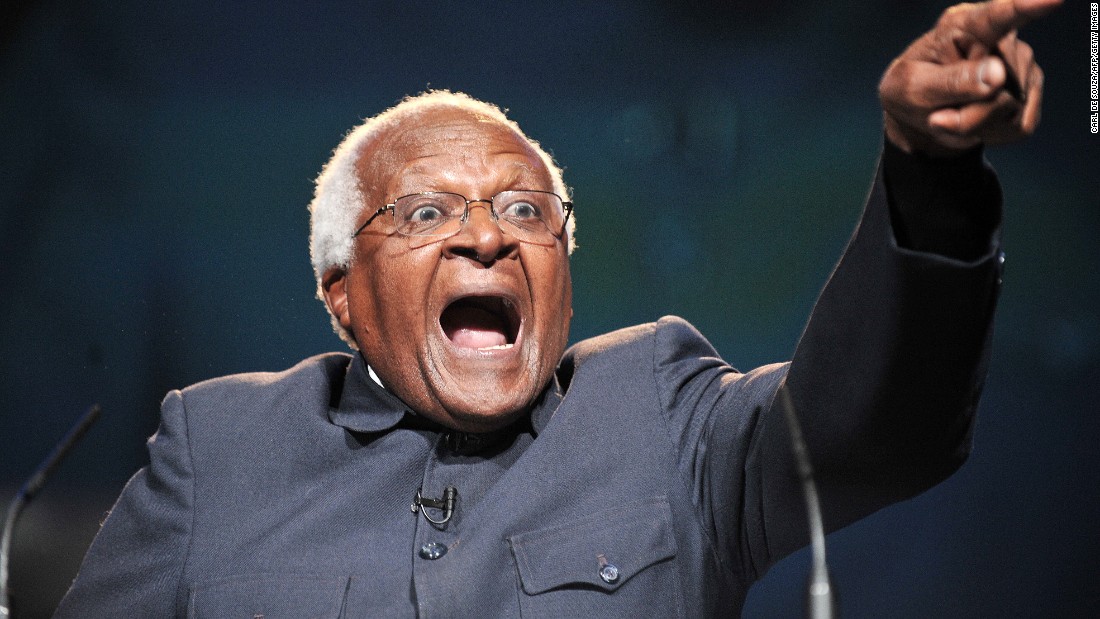
Archbishop Desmond Tutu dies at 90 - CNN

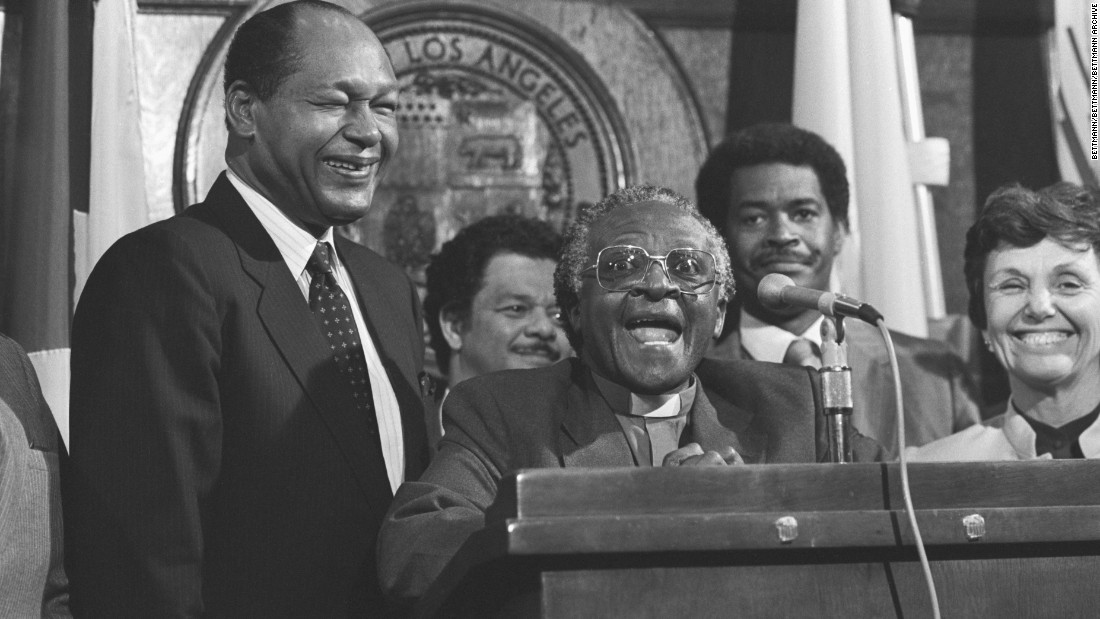
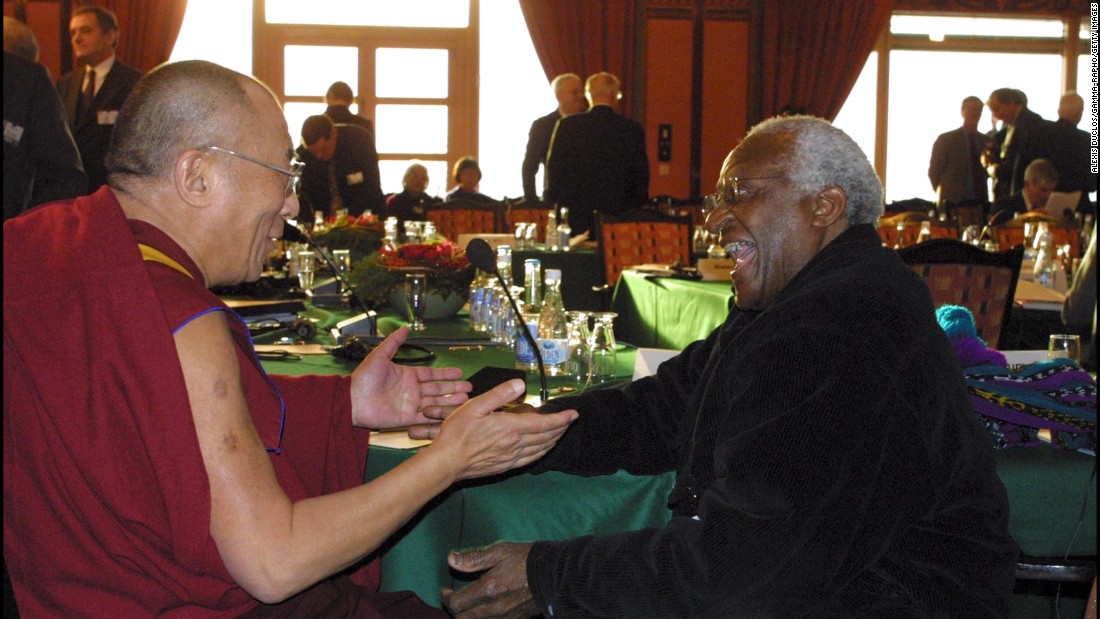
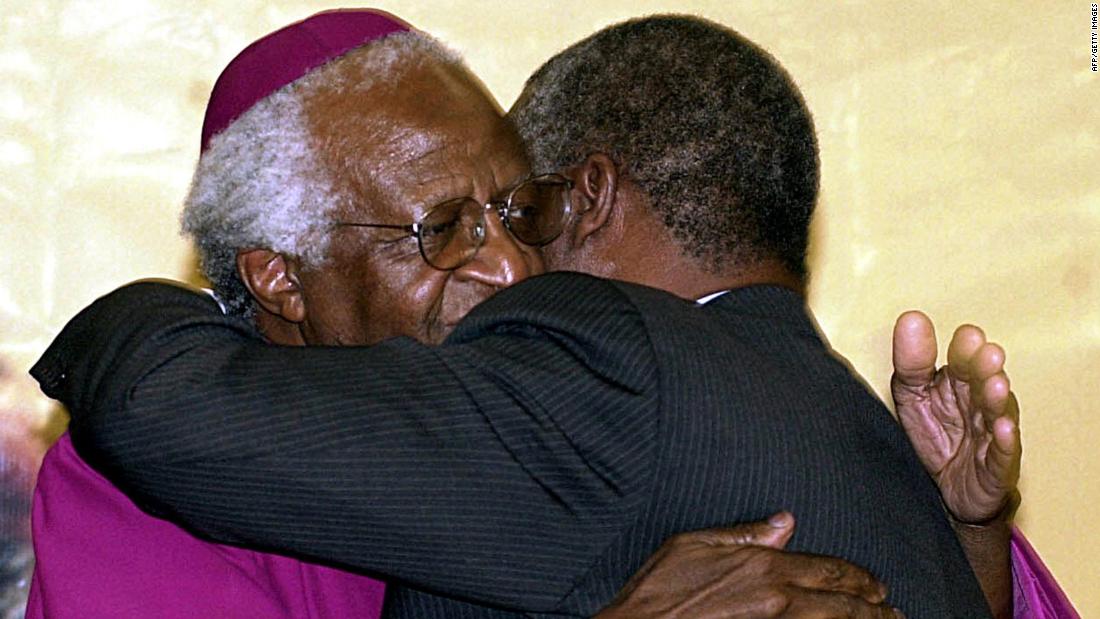
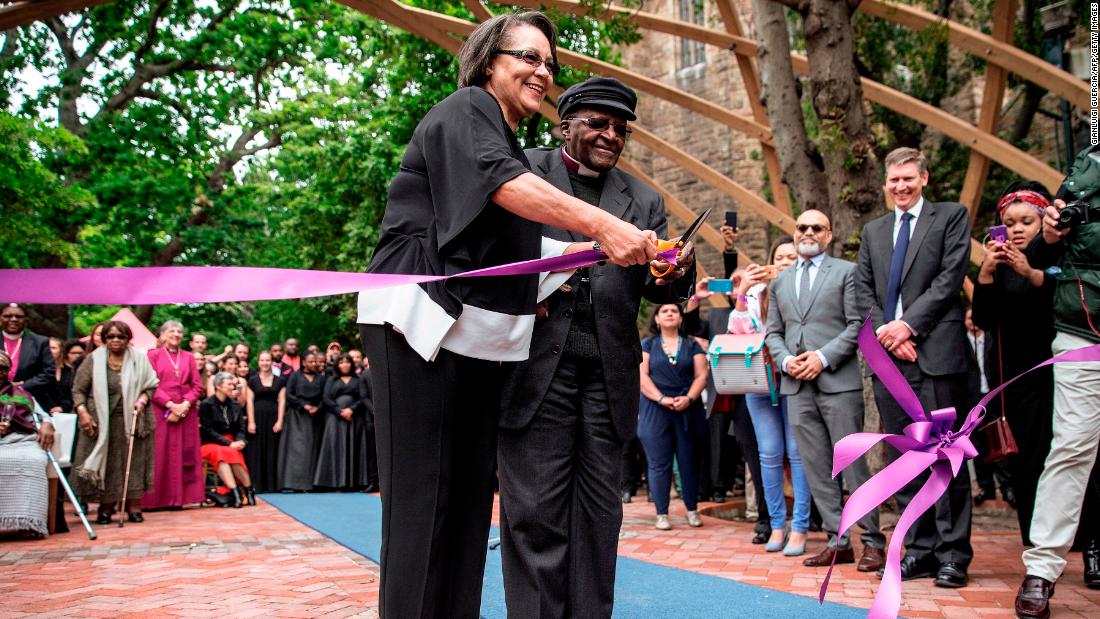
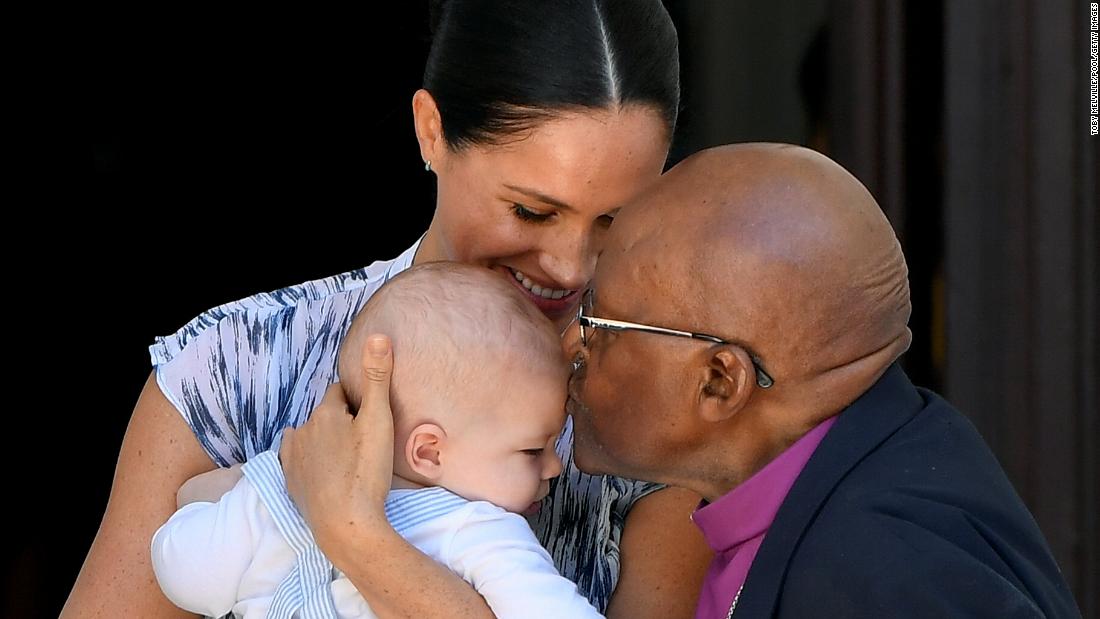
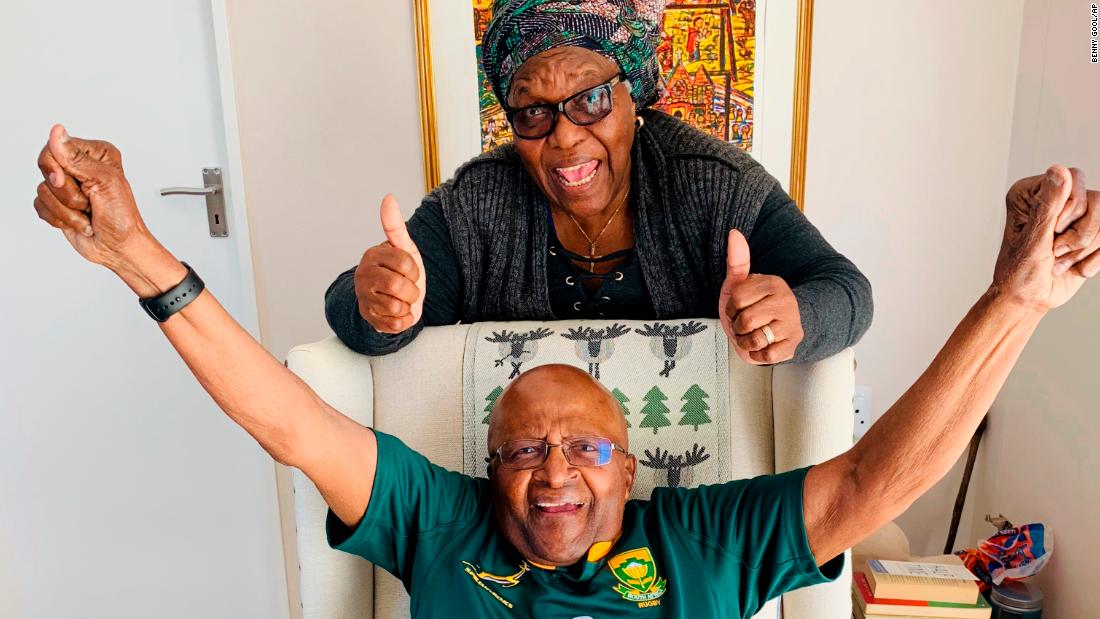
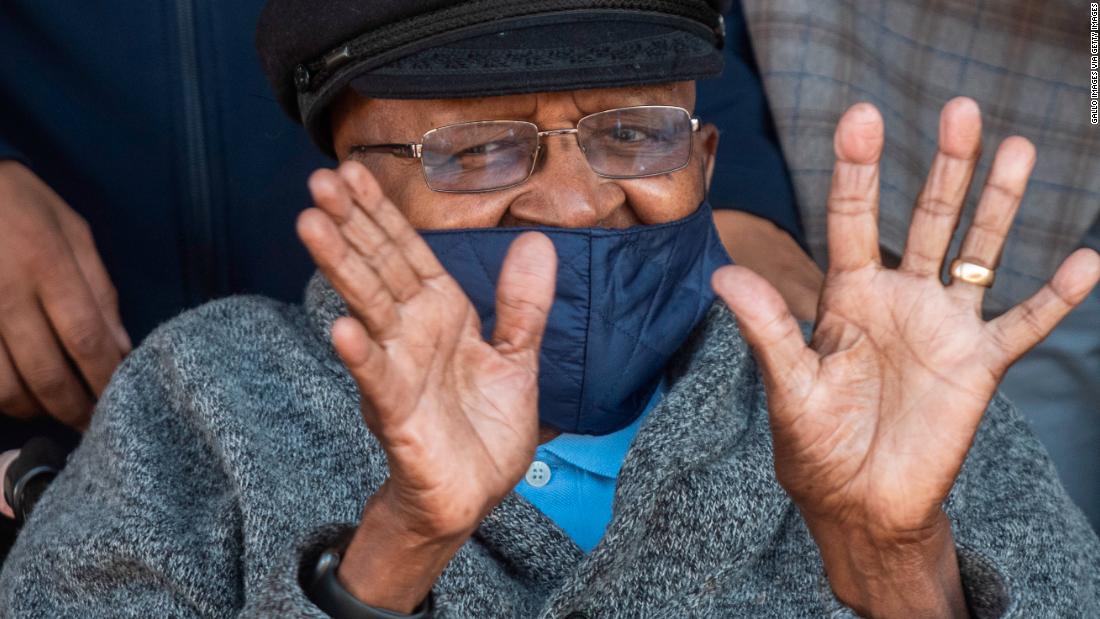
(CNN)Archbishop Desmond Tutu, the Nobel Peace Prize-winning Anglican cleric whose good humor, inspiring message and conscientious work for civil and human rights made him a revered leader during the struggle to end apartheid in his native South Africa, has died. He was 90.

In a statement confirming his death on Sunday, South African President Cyril Ramaphosa expressed his condolences to Tutu's family and friends, calling him "a patriot without equal."
 "A man of extraordinary intellect, integrity and invincibility against the forces of apartheid, he was also tender and vulnerable in his compassion for those who had suffered oppression, injustice and violence under apartheid, and oppressed and downtrodden people around the world," Ramaphosa said.
Tutu had been in ill health for years. In 2013, he underwent tests for a persistent infection, and he was admitted to hospital several times in following years.
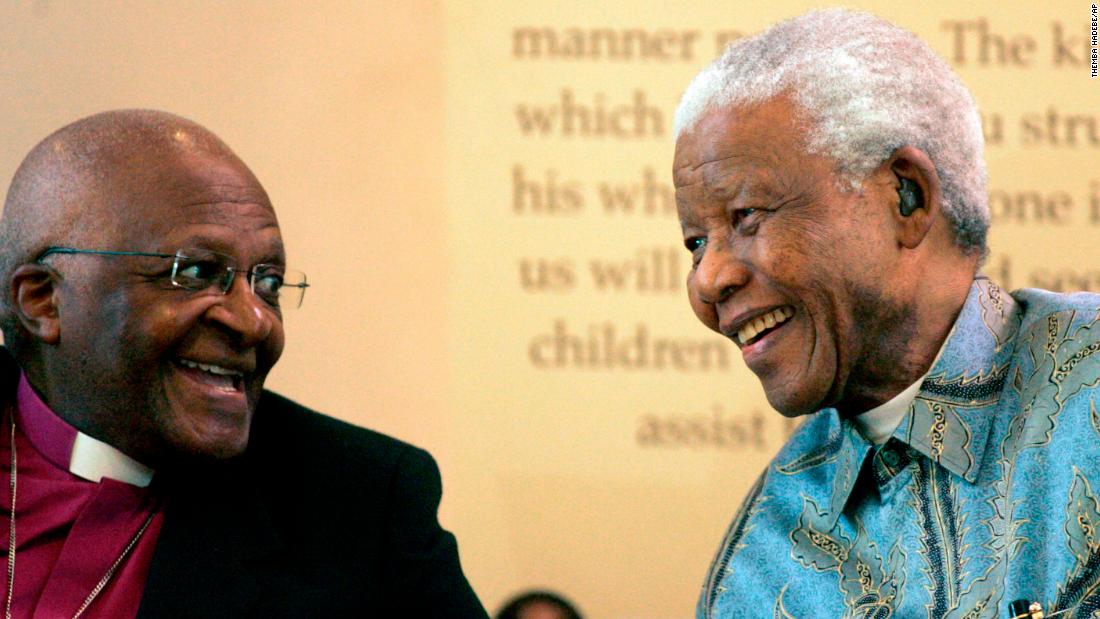
For six decades, Tutu -- known affectionately as "the Arch" -- was one of the primary voices in exhorting the South African government to end apartheid, the country's official policy of racial segregation. After apartheid ended in the early '90s and the long-imprisoned Nelson Mandela became president of the country, Tutu was named chair of South Africa's Truth and Reconciliation Commission.
The Nelson Mandela foundation called Tutu's loss "immeasurable."
"He was larger than life, and for so many in South Africa and around the world his life has been a blessing," the foundation said in a statement. "His contributions to struggles against injustice, locally and globally, are matched only by the depth of his thinking about the making of liberatory futures for human societies."
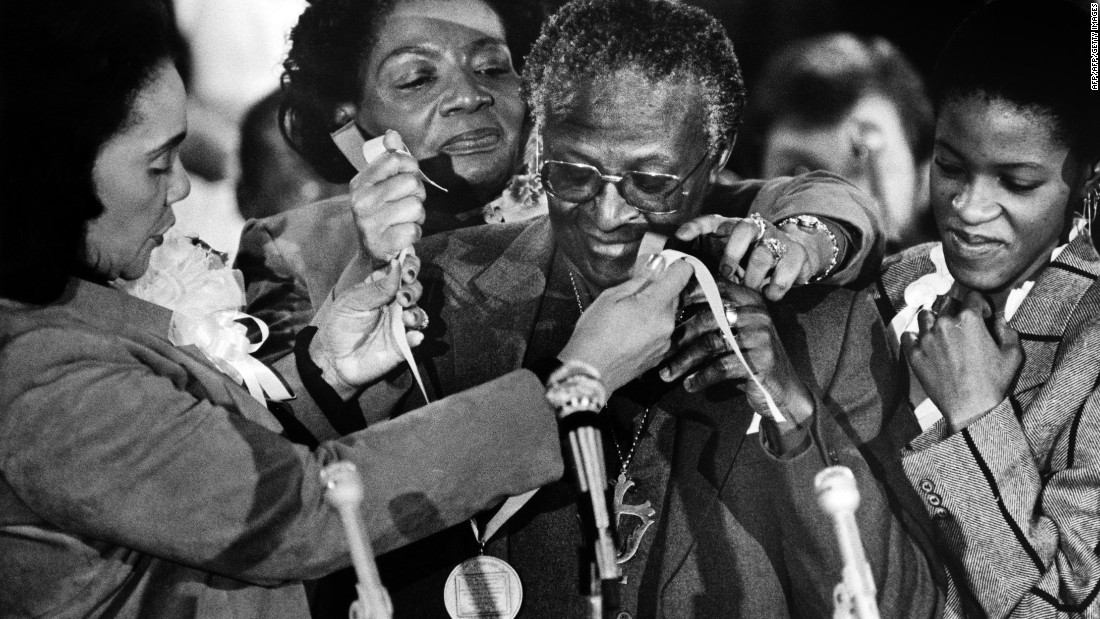
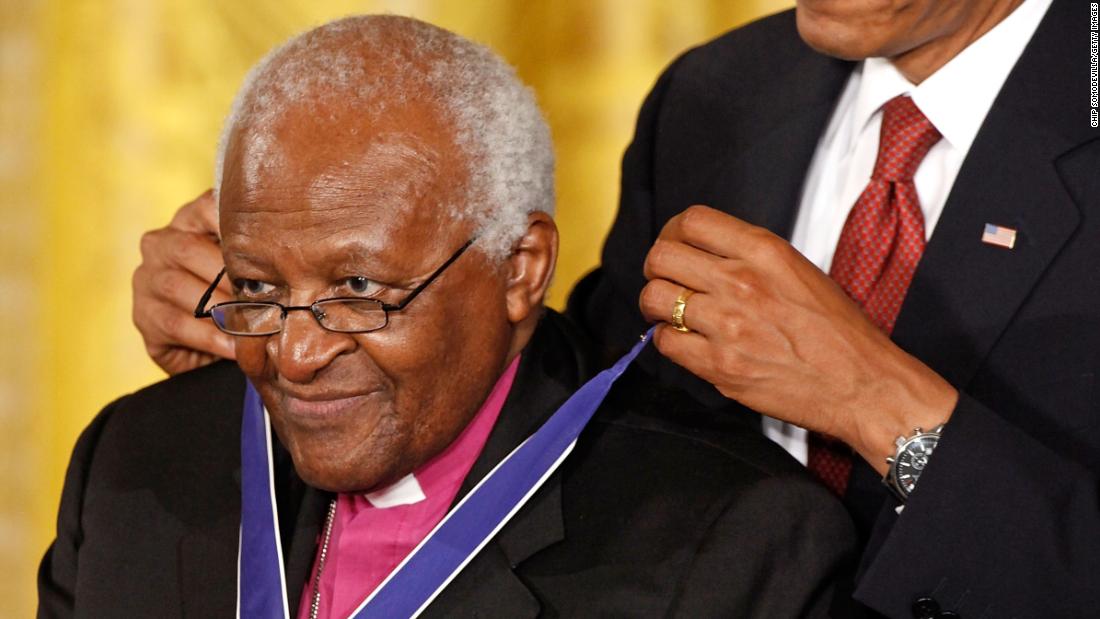
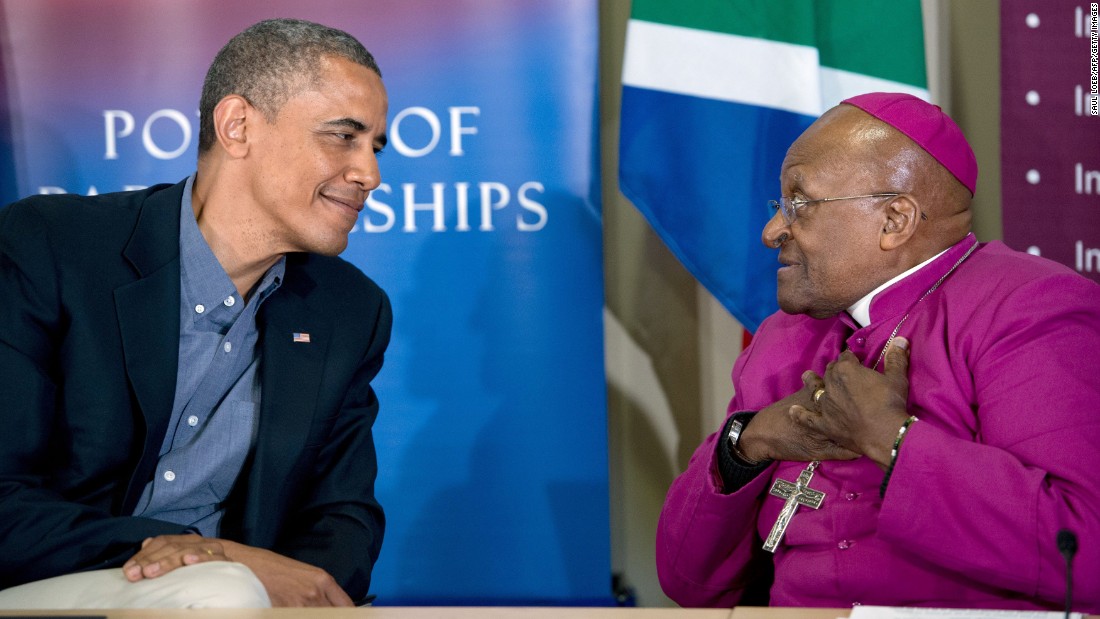
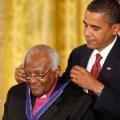
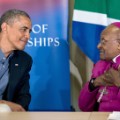
Tutu's civil and human rights work led to prominent honors from around the world. Former US President Barack Obama awarded him the Presidential Medal of Freedom in 2009. In 2012, Tutu was awarded a $1 million grant by the Mo Ibrahim Foundation for "his lifelong commitment to speaking truth to power." The following year, he received the Templeton Prize for his "life-long work in advancing spiritual principles such as love and forgiveness which has helped to liberate people around the world."
Most notably, he received the 1984 Nobel Peace Prize, following in the footsteps of his countryman, Albert Lutuli, who received the prize in 1960.
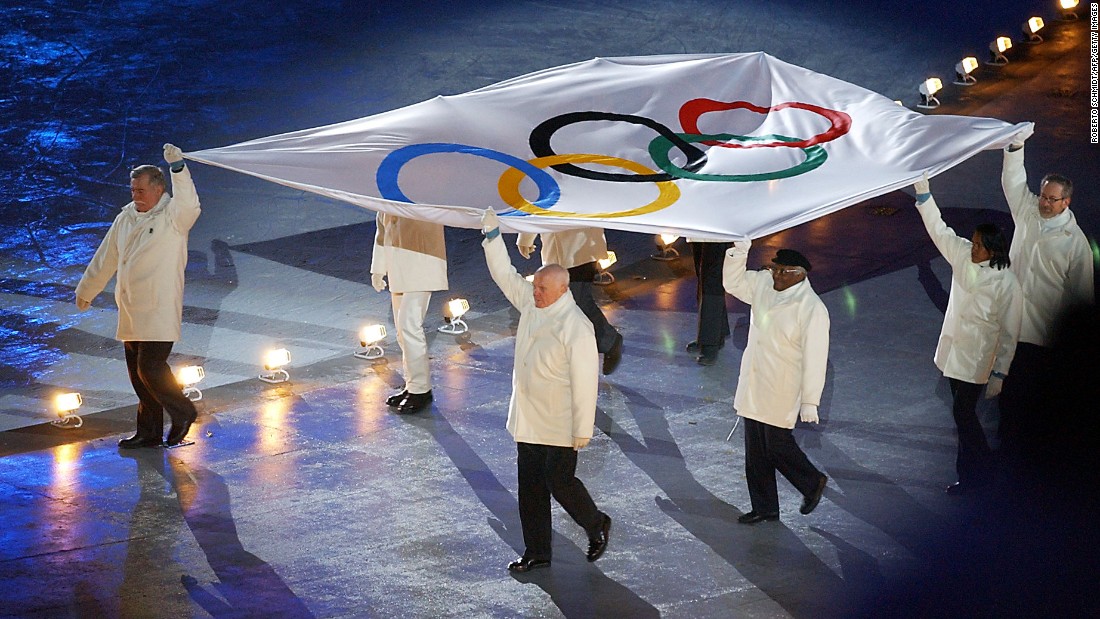
The Nobel cemented Tutu's status as an instrumental figure in South Africa, a position he gained in the wake of protests against apartheid. Despite anger about the policy within South Africa, as well as widespread global disapproval -- the country was banned from the Olympics from 1964 through 1988 -- the South African government quashed opposition, banning the African National Congress political party and imprisoning its leaders, including Mandela.
It was up to the clergy to take the lead in speaking out, said Rev. Frank Chikane, the former head of the South African Council of Churches and a Tutu colleague.
"We reached the stage where the church was a protector of the people, who was the voice for the people," Chikane told CNN.
The current archbishop of Cape Town and metropolitan of the Anglican Church of Southern Africa, Thabo Makgoba, said that the church will plan Tutu's funeral and memorial services.
"Desmond Tutu's legacy is moral strength, moral courage and clarity," Makgoba said in a statement. "He felt with the people. In public and alone, he cried because he felt people's pain. And he laughed -- no, not just laughed, he cackled with delight when he shared their joy."
In Britain, Prime Minister Boris Johnson and Archbishop of Canterbury Justin Welby issued statements praising Tutu for his sagacity and infectious positivity.
"(He) will be remembered for his spiritual leadership and irrepressible good humor," Johnson said.
Welby called Tutu "a prophet and priest, a man of words and action -- one who embodied the hope and joy that were the foundations of his life."
"Even in our profound sorrow we give thanks for a life so well lived," he said.

The path was rocky

In the 1950s, Tutu had resigned as a teacher in protest of government restrictions on education for Black children, the Bantu Education Act. He was ordained in 1960 and spent the '60s and early '70s alternating between London and South Africa. In 1975 he was appointed dean of St. Mary's Cathedral in Johannesburg and immediately used his new position to make political statements.
"When we were appointed we said ... 'Well, we'll live in Soweto,' " he told the Academy of Achievement, referring to the black townships of Johannesburg. "And so that -- we begin always by making a political statement even without articulating it in words."
It wasn't a plan, though from an early age he'd been inspired by Trevor Huddleston, a priest and early anti-apartheid activist who worked in a Johannesburg slum in the 1950s. By embarking on this path, he inspired thousands of his countrymen -- and more around the world.
"Desmond Tutu had no reason to act as he did other than his profound sense of our shared humanity in working for a world in which justice and the wellbeing of all is an expression of his ethical leadership of compassion," wrote Episcopal priest Robert V. Taylor on CNN in 2011.
Tutu believed he didn't have a choice, even if the path was rocky.
"I really would get mad with God. I would say, 'I mean, how in the name of everything that is good can you allow this or that to happen?' " he told the Academy of Achievement. "But I didn't doubt that ultimately good, right, justice would prevail."

Tumultuous times

Desmond Mpilo Tutu was born October 7, 1931, in Klerksdorp, a town in South Africa's Transvaal province. His father was a teacher and his mother was a domestic worker, and young Tutu had plans to become a doctor, partly thanks to a boyhood bout of tuberculosis, which put him in the hospital for more than a year. He even qualified for medical school, he said.
But his parents couldn't afford the fees, so teaching beckoned.
"The government was giving scholarships for people who wanted to become teachers," he told the Academy of Achievement. "I became a teacher and I haven't regretted that."
However, he was horrified at the state of Black South African schools, and even more horrified when the Bantu Education Act was passed in 1953 that racially segregated the nation's education system. He resigned in protest. Not long after, the Bishop of Johannesburg agreed to accept him for the priesthood -- Tutu believed it was because he was a Black man with a university education, a rarity in the 1950s -- and took up his new vocation.  
The 1960s and 1970s were tumultuous times in South Africa. In March 1960, 69 people were killed in the Sharpeville Massacre, when South African police opened fire on a crowd of protesters. Lutuli, an ANC leader who preached non-violence, was awarded the Nobel Peace Prize later that year -- while banned from leaving the country. (The government finally let him go for a few days to accept his prize.)
Mandela -- then a firebrand leading an armed wing of the ANC -- was arrested, tried and, in 1964, sentenced to life in prison. In the early '70s, the government forced millions of Black people to settle in what were called "homelands."
Tutu spent many of these years in Great Britain, watching from afar, but finally returned for good in 1975, when he was appointed dean of St. Mary's Cathedral in Johannesburg. The next year he was consecrated Bishop of Lesotho. He gained renown for a May 1976 letter he wrote to the prime minister, warning of unrest.
"The mood in the townships was frightening," he told the Academy of Achievement.
A month later Soweto exploded in violence. More than 600 died in the uprising.

A distinctive figure

As the government became increasingly oppressive -- detaining Black people, establishing onerous laws -- Tutu became increasingly outspoken.
"He was one of the most hated people, particularly by White South Africa, because of the stance he took," former Truth and Reconciliation Commission member Alex Boraine told CNN.
Added Chikane, the South African Council of Churches colleague, "His moral authority (was) both his weapon and his shield, enabling him to confront his oppressors with a rare impunity."
South Africa was becoming a pariah country. Demonstrators in the United States protested corporate investment in the nation and Congress backed up the stance with the 1987 Rangel Amendment. The United Nations established a cultural boycott. Popular songs, such as the Special AKA's "Free Nelson Mandela" and Artists United Against Apartheid's "Sun City," deplored the country's politics.
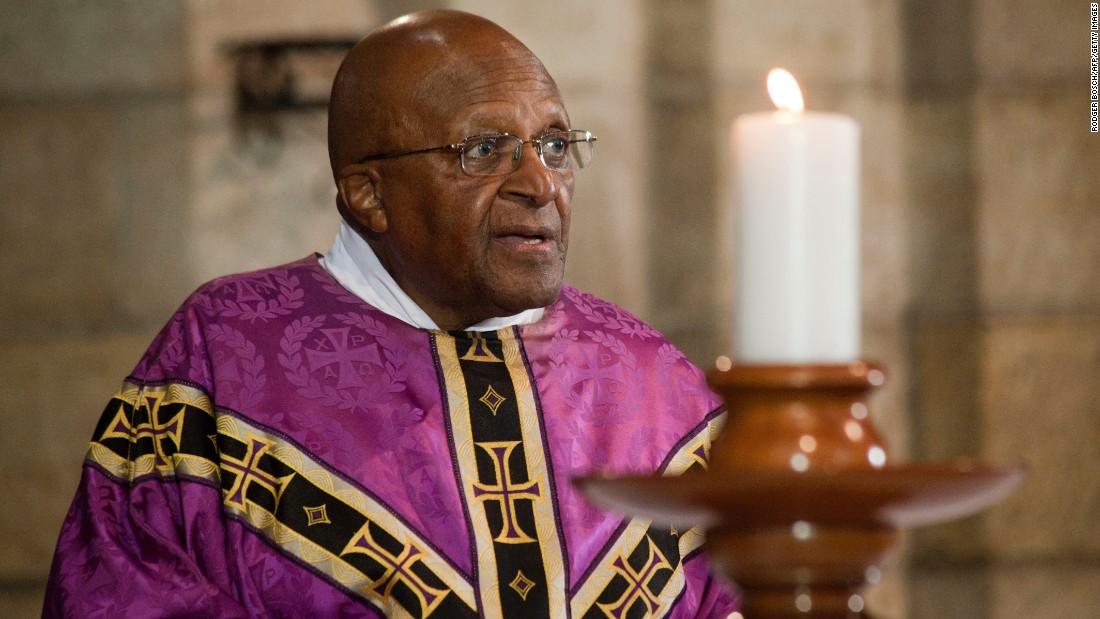
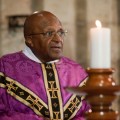
With his scarlet vestments, Tutu cut a distinctive figure as he preached from the bully pulpit -- perhaps never more so than in his Nobel Prize speech in 1984.
After reeling off the prejudices and inequalities of the apartheid system, Tutu summed up his thoughts. "In short," he said, "this land, richly endowed in so many ways, is sadly lacking in justice."
There were more injustices to come: assassinations, allegations of hit squads, bombings. In 1988, two years after being named Archbishop of Cape Town, becoming the first Black man to head the Anglican Church in South Africa, Tutu was arrested while taking an anti-apartheid petition to South Africa's parliament.
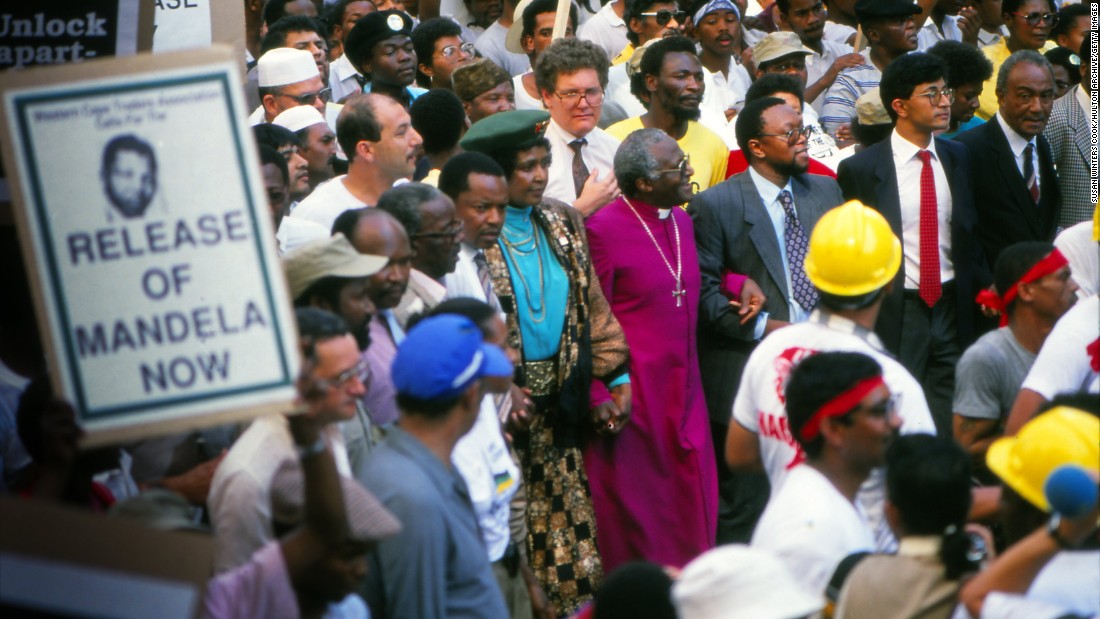
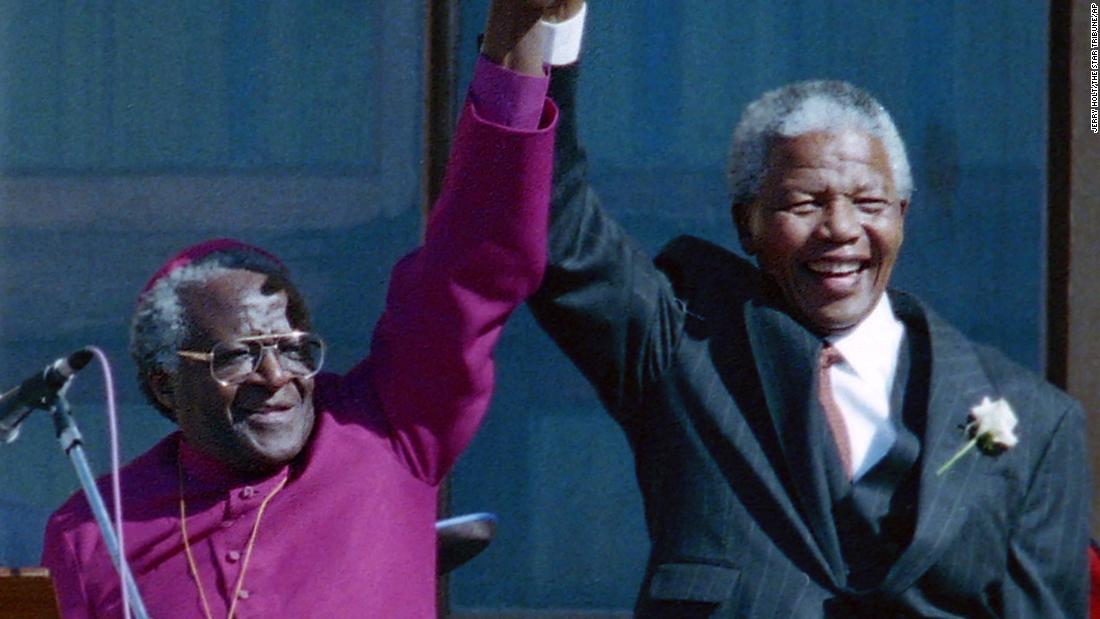
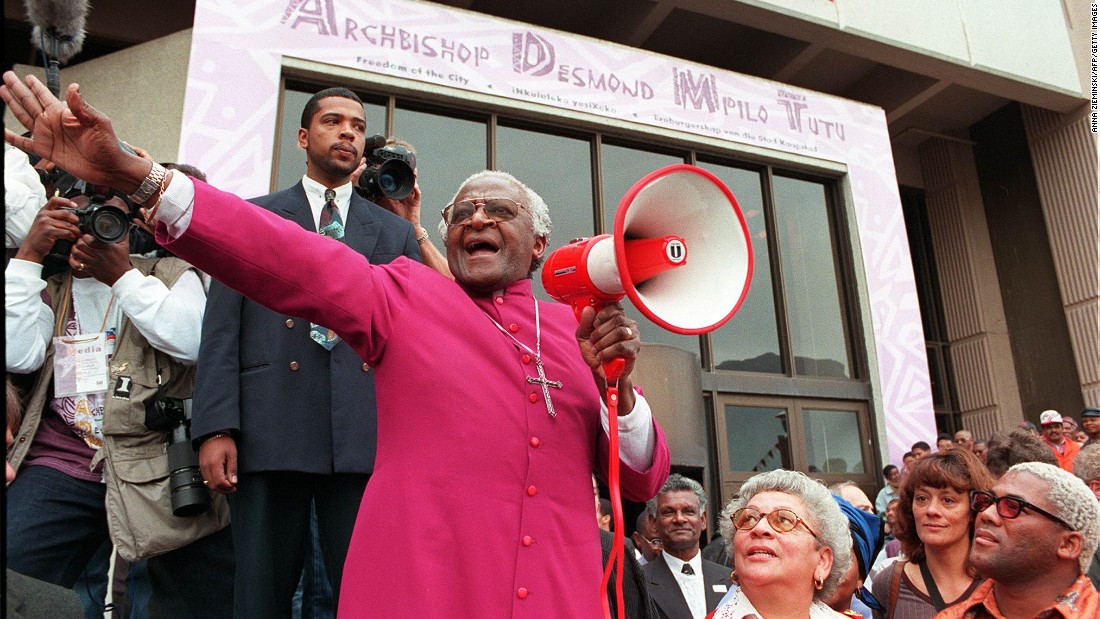
But the tide was turning. The next year, Tutu led a 20,000-person march in Cape Town. Also in 1989, a new president, F.W. de Klerk, started easing apartheid laws. Finally, on February 11, 1990, Mandela was released from prison after 27 years. De Klerk died last month.
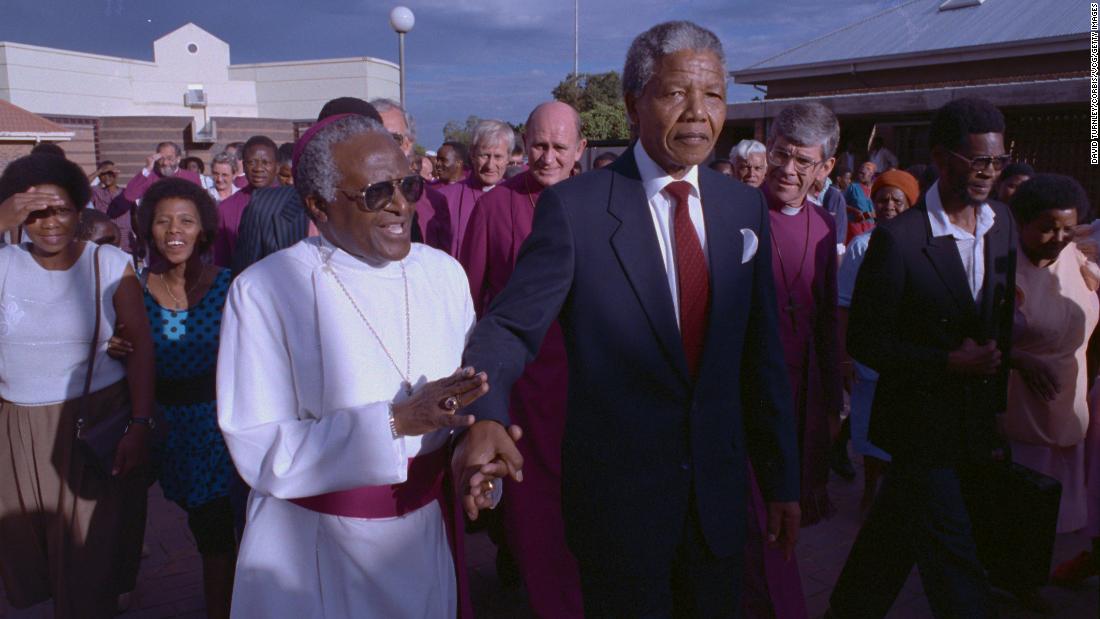
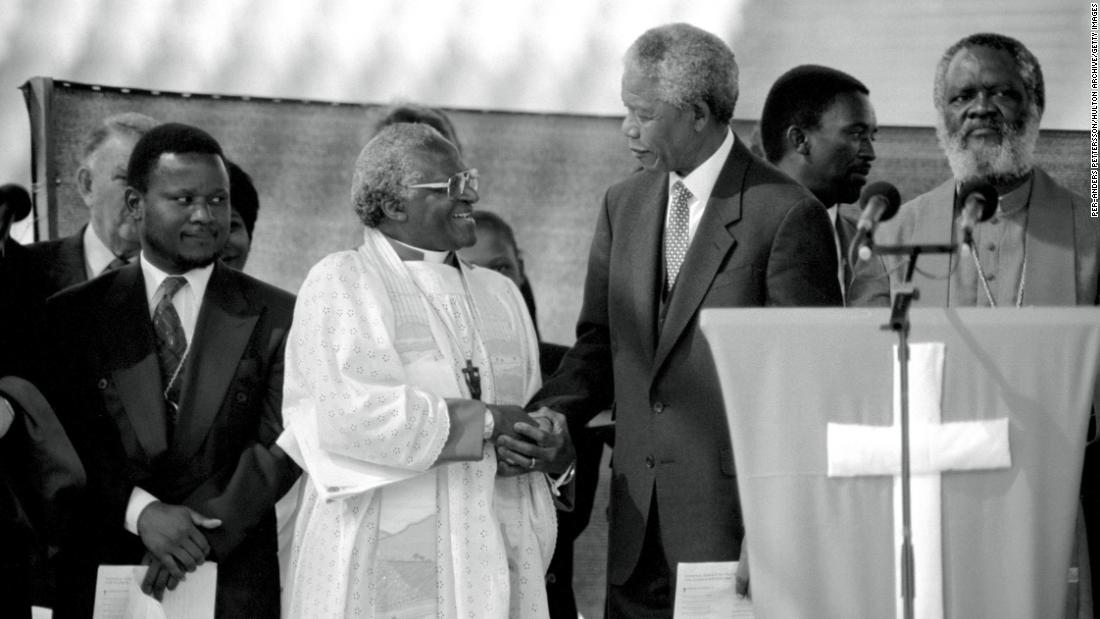
Four years later, in 1994, Mandela would be elected president. Tutu compared being allowed to vote for the first time to "falling in love" and said -- behind the birth of his first child -- introducing Mandela as the country's new president was the greatest moment of his life.
"I actually said to God, I don't mind if I die now," he told CNN.

Controversial stances

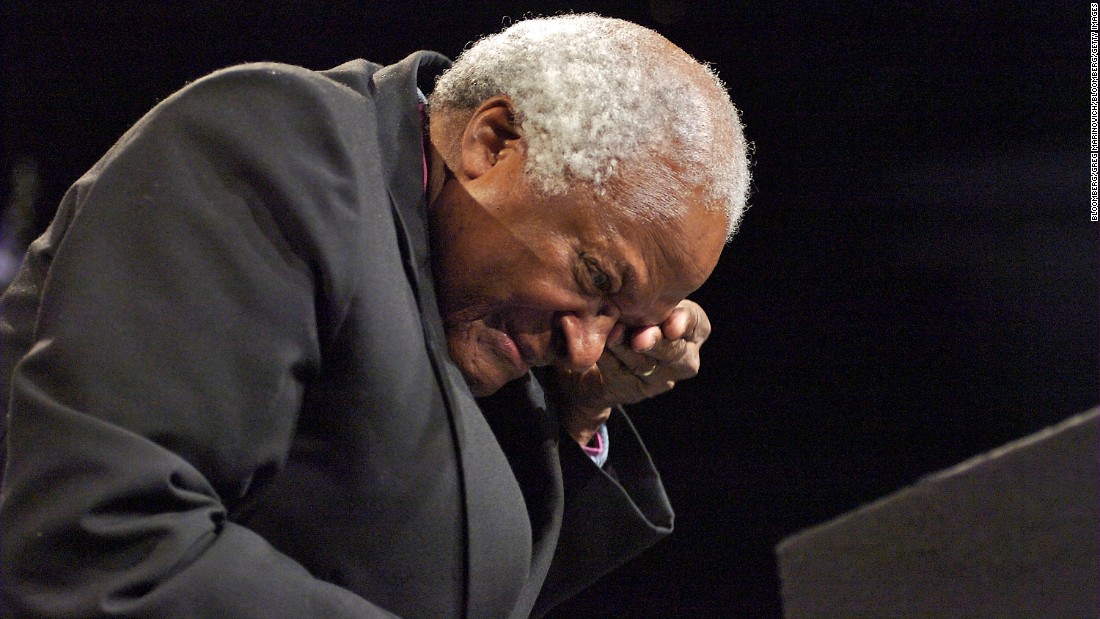
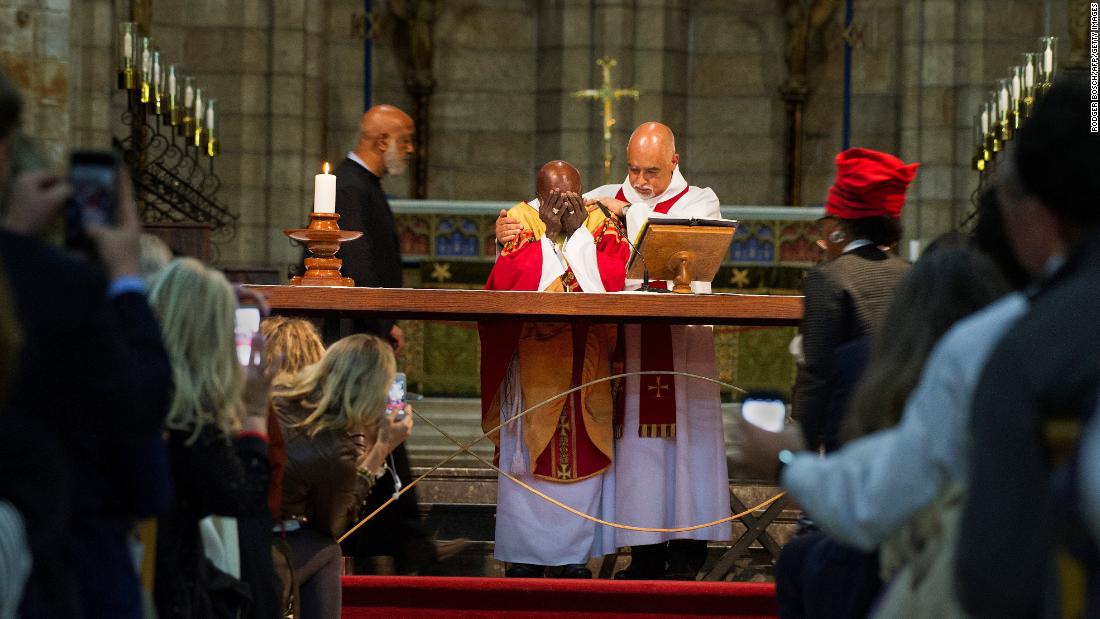
Tutu's work was not done, however. In 1995 Mandela appointed him chair of the Truth and Reconciliation Commission to address the human rights violations of the apartheid years. Tutu broke down at the TRC's first hearing in 1996.
The TRC gave its report to the government in 1998. Tutu established the Desmond Tutu Peace Trust the same year.
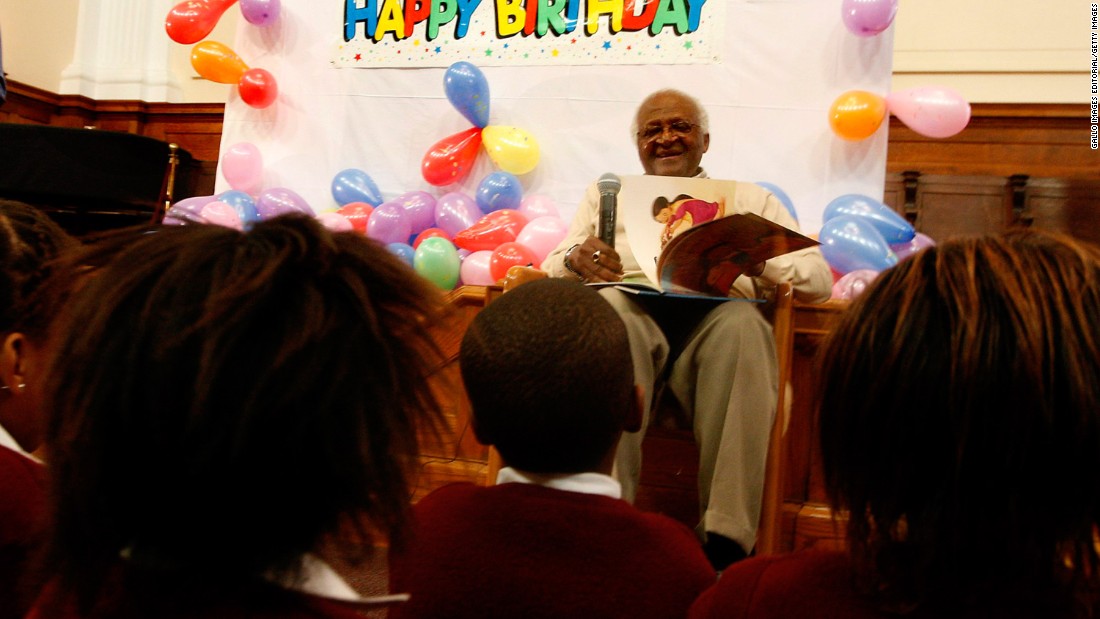
He returned to teaching, becoming a visiting professor at Emory University in Atlanta for two years and later lecturing at the Episcopal Divinity School in Cambridge, Massachusetts. He published a handful of books, including "No Future Without Forgiveness" (1999), "God Is Not a Christian" (2011), and a children's book, "Desmond and the Very Mean Word" (2012).
He retired from public service in 2010 but remained unafraid to take controversial positions. He called for a boycott of Israel in 2014  and said that former US President George W. Bush and former UK Prime Minister Tony Blair should be "made to answer" at the International Criminal Court for their actions around the Iraq war.
But he was also distinguished for his sense of humor, embodied in a distinctive, giggle-like laugh.
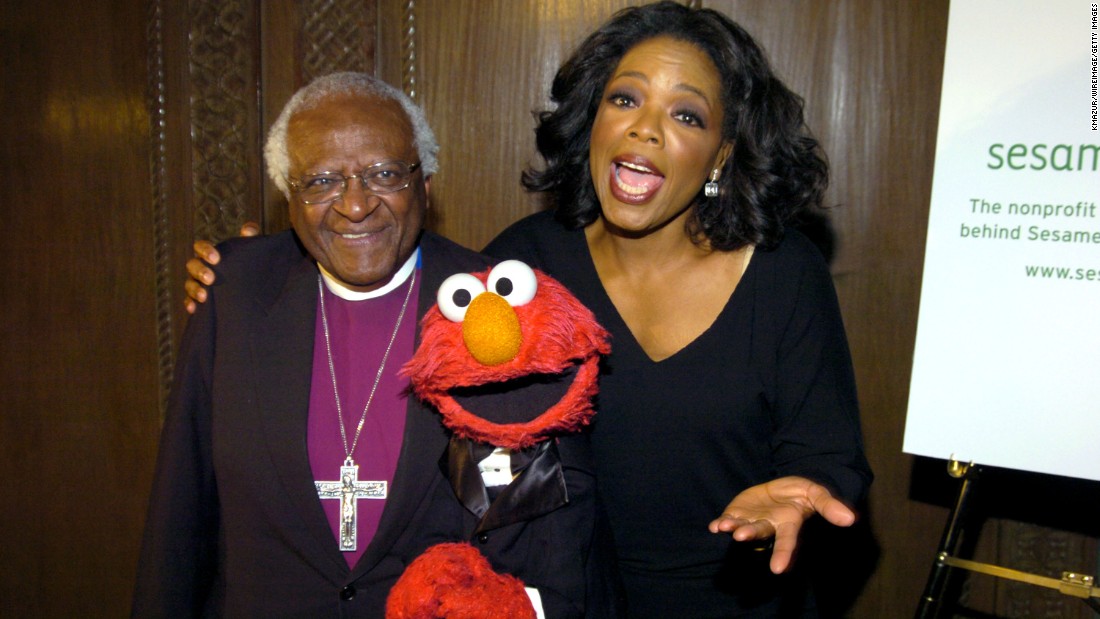
While visiting "The Daily Show" in 2004, he broke up at Jon Stewart's jokes. And he poked fun at "On Being" interviewer Krista Tippett in 2014, chiding her for not offering him the dried mangos -- his favorite -- she'd brought along.
Despite all the praise and fame, however, he told CNN he didn't feel like a "great man."
"What is a great man?" he said. "I just know that I've had incredible, incredible opportunities. ... When you stand out in a crowd, it is always only because you are being carried on the shoulders of others."
For all of his good works, he added, there may have been another reason he had so many followers.
"They took me only because I have this large nose," he said. "And I have this easy name, Tutu."
Tutu is survived by his wife of more than 60 years, Nomalizo Leah Tutu, with whom he had four children, Trevor, Theresa, Naomi and Mpho.

Adblock test (Why?)


World - Latest - Google News
December 26, 2021 at 06:06PM
https://ift.tt/3sAhGr4

Archbishop Desmond Tutu dies at 90 - CNN
World - Latest - Google News
https://ift.tt/2SeTG7d

Featured Post

Qatar 'appalled' by reported criticism from Israel's Netanyahu - BBC.com

By David Gritten BBC News Reuters Qatar's foreign ministry said the Israeli prime minister's reported remarks were ...

Popular Posts